Upratna Guide: Gemstone Substitutes in Vedic Astrology Explained | Myra Gems

Written by the Gemology Team at Myra Gems. With more than 30 years of experience sourcing and certifying natural gemstones across India, our team has guided over 30,000 customers in finding the right stone for their birth chart. All gemological information in this article reflects current trade standards and Vedic astrological tradition as practiced in India.
The information in this article is for educational purposes. Consult a qualified Vedic astrologer before wearing any gemstone.
Every week, our gemologists at Myra Gems field a question that surprises first-time buyers: "Do I have to wear the main stone, or can I use a substitute?" It is a fair question, and one that the ancient tradition of upratna, or gemstone substitutes in Vedic astrology, answers with surprising clarity. An upratna is a secondary gemstone that shares a planetary affinity with the principal stone, called the mukhya ratna, and is traditionally recommended when the primary gem is out of budget, physically unavailable in acceptable quality, or astrologically advised against for a particular birth chart.
The concept of upratna is not a modern workaround. The Ratnapariksha, a classical Sanskrit treatise on gemstone assessment and planetary lore, describes substitute gems alongside primary ones, acknowledging that not every wearer can access a Burmese pigeon-blood ruby or an unheated Ceylon blue sapphire. What matters, according to Vedic tradition, is the planetary wavelength the stone is believed to carry, not its market rank. A natural, untreated upratna worn with the right intention, at the right time, and on the correct finger is considered by Vedic astrologers to channel the same planetary energy as its principal counterpart.
This article covers every major upratna pairing across the nine Vedic planets, or navagrahas, explains the astrological logic behind each substitute, and gives you the practical knowledge to discuss your options confidently with a qualified Jyotish practitioner. You will also learn how to verify that an upratna is genuine, what to watch for when buying, and why quality still matters even for a secondary stone.
What Is an Upratna and How Does Vedic Astrology Define Gemstone Substitutes
In Vedic astrology, an upratna is a gemstone prescribed as a secondary or substitute planetary remedy when the primary gemstone associated with a planet is unavailable, unaffordable, or unsuitable for a specific horoscope. The substitute shares the same planetary ruler and is traditionally believed to transmit a similar astrological influence, though at a subtler level. Vedic texts consistently advise that an upratna should be natural, untreated, and free of major inclusions to be effective.
The nine Vedic planets, known collectively as the navagrahas, each govern one or more gemstones. The primary stones are the ratnas most commonly cited in classical texts such as the Brihat Parashara Hora Shastra, one of the foundational works of Jyotish astrology. Each of these ratnas has one or more upratnas assigned to it based on colour correspondence, mineral class, or planetary sympathy as understood in the Vedic framework.
The Logic Behind Planetary Colour Correspondence
According to Vedic astrology, the mechanism through which gems are believed to work is the absorption and transmission of planetary light. The Brihat Parashara Hora Shastra describes each planet as radiating a distinct colour frequency: the Sun radiates deep red, the Moon radiates white, Mars radiates coral red, Mercury radiates green, Jupiter radiates yellow, Venus radiates multi-spectral white, Saturn radiates blue-black, Rahu radiates smoky brown, and Ketu radiates variegated or spotted hues.
An upratna earns its status by sharing the primary stone's colour family and, where possible, its mineral transparency. Garnet, for example, absorbs and reflects red light in the same general band as ruby and is therefore assigned to the Sun as an upratna. Opal, with its internal play of colour and white base, is associated with Venus alongside diamond. Lapis lazuli and amethyst, both carrying blue-violet tones, appear in classical lists as substitutes for Saturn's primary stone, blue sapphire.
This colour-first logic is why upratnas are not interchangeable across planets. A buyer cannot substitute a yellow sapphire with a blue aquamarine simply because both are transparent and attractive. The planetary correspondence must be maintained. Gemologists recommend cross-checking any suggested upratna against the Jyotish classification of your governing planet before purchasing.
When Astrologers Recommend an Upratna Over the Primary Stone
The traditional guidance is that an upratna is appropriate in four distinct situations: when the primary stone's quality in the required ratti weight is financially inaccessible, when the primary stone's planet is a functional malefic in the birth chart but still needs to be propitiated through a gentler medium, when the wearer has shown sensitivity to the primary stone in a trial period, or when the primary stone is unavailable in natural, unheated form in the required origin grade.
At Myra Gems, our gemologists regularly encounter customers who come in asking for a Blue Sapphire, or Neelam, for Saturn's influence during a Shani mahadasha, only to discover that the clinical quality their astrologer has specified is beyond their current budget. In these cases, presenting the amethyst or lapis lazuli upratna, along with an honest explanation of both the gemological and astrological differences, allows the customer to begin their planetary remedy without compromising on natural, untreated quality.
Wearing an upratna is not considered a compromise in classical Jyotish. Many Vedic astrologers, particularly those trained in the Kerala and Varanasi schools of Jyotish, argue that a flawless natural upratna outperforms an included or treated primary stone every time.
The Nine Planets and Their Upratna Pairings: A Complete Vedic Astrology Guide
The upratna system covers all nine Vedic planets, and each pairing follows the colour and planetary logic described in classical texts. The table below summarises the primary stones and their accepted substitutes, followed by detailed explanations for each planet.
| Quick Answer | For most buyers on a moderate budget, the upratna provides genuine astrological alignment when the primary stone is unattainable in natural, untreated quality. |
|---|---|
| Planet (Graha) | Primary Ratna |
| Sun (Surya) | Ruby (Manik) |
| Moon (Chandra) | Pearl (Moti) |
| Mars (Mangal) | Red Coral (Moonga) |
| Mercury (Budh) | Emerald (Panna) |
| Jupiter (Guru) | Yellow Sapphire (Pukhraj) |
| Venus (Shukra) | Diamond (Heera) |
| Saturn (Shani) | Blue Sapphire (Neelam) |
| Rahu | Hessonite (Gomed) |
| Ketu | Cat's Eye (Lahsuniya) |
Sun (Surya): Ruby (Manik) and Its Upratna Red Garnet
According to Vedic astrology, the Sun governs vitality, authority, and personal identity. Its primary stone is ruby, known in Sanskrit as Manik, a corundum with a Mohs hardness of 9 and a refractive index of 1.76 to 1.78. High-quality Burmese Manik from the Mogok Valley commands significant premiums, and an untreated specimen in 4 to 6 ratti weight with eye-clean clarity is often priced beyond what a first-time buyer expects.
Red garnet, specifically the pyrope or almandine variety, serves as the accepted upratna for the Sun. Garnet carries a refractive index of 1.73 to 1.75 and a Mohs hardness of 7 to 7.5, making it a durable everyday stone. The traditional guidance is that red garnet be worn on the same finger as the primary stone, the ring finger of the right hand, set in gold, on a Sunday morning during Surya hora.
Red Spinel as a Sun Upratna: What Buyers Should Know
Red spinel has gained recognition in the modern gem trade as a high-quality upratna for the Sun. Historically, many celebrated "rubies" in royal collections, including several Mughal-era stones, turned out to be red spinel on modern gemological testing. Spinel has a single refractive index of approximately 1.718, a Mohs hardness of 8, and occurs naturally without treatment, making it a gemologically clean substitute. IGI-certified red spinel in Jaipur's Johari Bazaar trade is increasingly sought after by buyers who want a natural stone with strong colour saturation at a fraction of ruby's price.
Moon (Chandra): Pearl (Moti) and Moonstone
The Moon, or Chandra, governs emotional steadiness, intuition, and the mind's relationship with the outer world. Pearl, known as Moti, is the primary Chandra ratna. Natural seawater pearls from sources such as the Persian Gulf and Sri Lanka carry the highest Vedic esteem, and their price per ratti has risen substantially over the past decade as natural pearl supply has contracted globally.
Moonstone is the most widely accepted upratna for Chandra. It belongs to the feldspar mineral group and exhibits adularescence, the internal blue-white glow caused by light scattering between microscopic feldspar layers. Astrologers traditionally associate this optical phenomenon with the Moon's reflective nature. The traditional guidance is that moonstone be set in silver and worn on the little finger or ring finger of the right hand on a Monday during Chandra hora. White coral is also cited in some regional Jyotish schools as a secondary Moon substitute, particularly in the Deccan tradition.
Mars (Mangal): Red Coral (Moonga) and Carnelian
Mars, or Mangal, is associated in Vedic astrology with courage, physical energy, and decisive action. Its primary stone is red coral, or Moonga, an organic gem sourced from the Mediterranean Sea and the seas around Japan and Taiwan. Natural, undyed Italian or Japanese coral in deep ox-blood red carries the highest astrological value. Coral's Mohs hardness is only 3.5, making quality selection and proper setting critical.
Carnelian, an orange-red variety of chalcedony with a Mohs hardness of 6.5 to 7, is the most widely recommended upratna for Mars. Its warm reddish-orange tone places it within Mangal's colour frequency, and it is available in natural form across India's gem markets in Jaipur at accessible price points. Red jasper is cited in some regional texts as an additional option, particularly for wearers in whom red coral has caused an overly stimulating planetary effect according to their astrologer's assessment.
Mercury (Budh): Emerald (Panna) and Green Tourmaline
Mercury, or Budh, governs intellect, communication, and analytical capacity. Its primary stone is emerald, or Panna, a beryl with a Mohs hardness of 7.5 to 8 and a refractive index of 1.57 to 1.58. Colombian and Zambian emeralds dominate the high end of the market. Natural, untreated Panna of significant carat weight and eye-clean clarity is one of the more expensive ratnas.
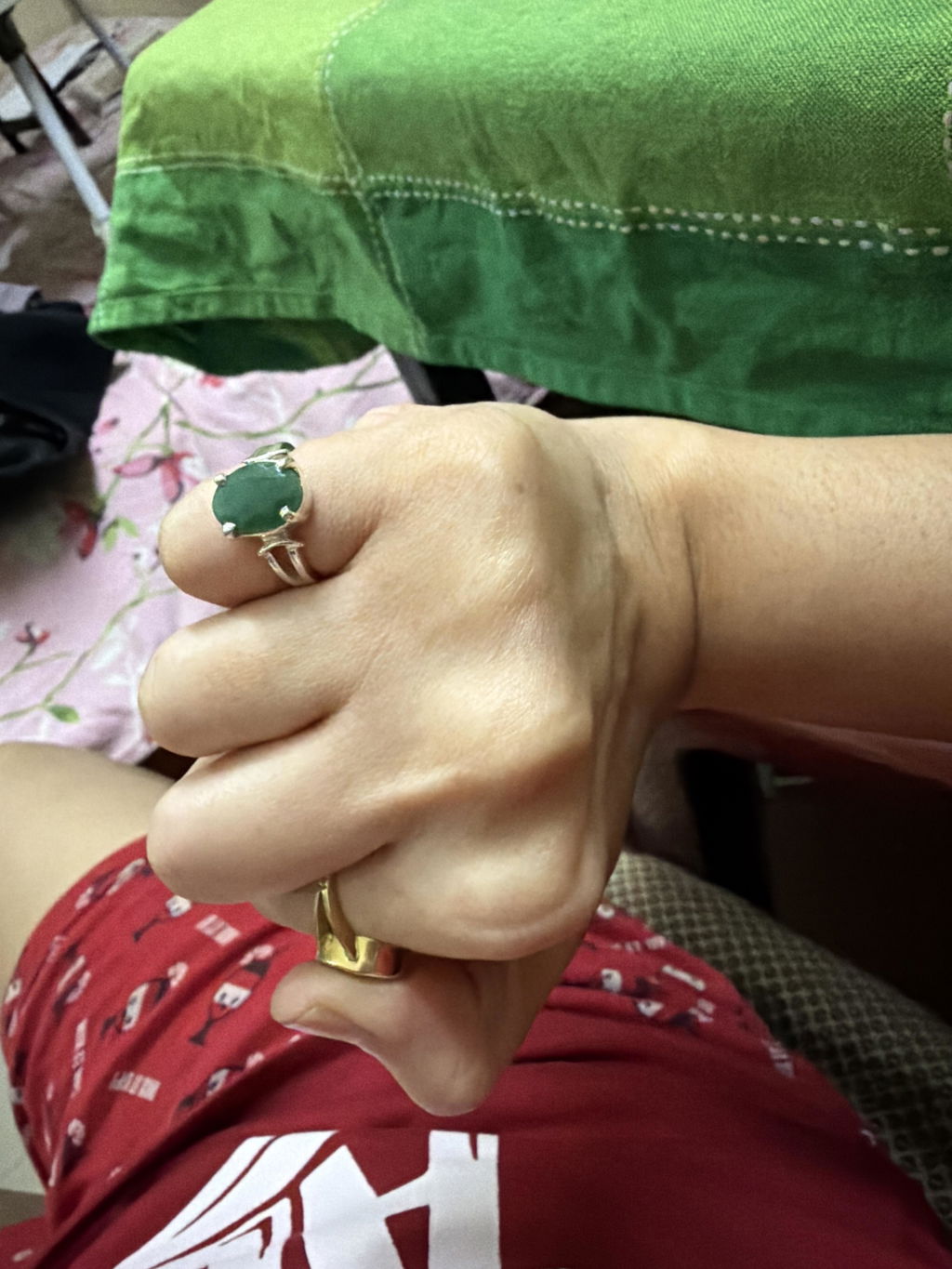
Green tourmaline (Verdelite) is the primary upratna for Mercury, sharing the green colour spectrum and excellent transparency. It has a Mohs hardness of 7 to 7.5 and is available in natural, unheated form from sources including Brazil, Mozambique, and Rajasthan. Peridot, with its distinctive yellowish-green tone, and green jade are also cited as Mercury substitutes in certain Jyotish schools. Gemologists recommend selecting a green tourmaline with minimal brown secondary hues for the closest colour alignment with emerald.
Explore Myra Gems' collection of natural emerald rings for men and emerald rings for women, each certified and sourced for astrological quality.
Jupiter (Guru): Yellow Sapphire (Pukhraj) and Yellow Topaz
Jupiter, or Guru, is considered in Vedic astrology one of the most benefic planets, associated with wisdom, prosperity, and spiritual growth. Its primary stone is yellow sapphire, or Pukhraj, a corundum with a Mohs hardness of 9 and a refractive index of 1.76 to 1.78. Ceylon (Sri Lanka) yellow sapphires, sometimes called "Ceylon gold," carry the highest traditional regard, though Burmese and Thai stones are also in circulation.
Yellow topaz is the most widely accepted upratna for Guru. It has a Mohs hardness of 8 and a refractive index of 1.61 to 1.64. Natural, unirradiated yellow topaz carries a warm golden tone that Vedic astrologers associate clearly with Jupiter's colour frequency. Citrine, a yellow variety of quartz with a Mohs hardness of 7, is also accepted as a Guru upratna in many schools, particularly for wearers who are seeking a gentle introduction to Jupiter's planetary energy. Heliodor, a golden-yellow variety of beryl, is a third option cited in contemporary Jyotish practice.
Looking for natural, certified Pukhraj or its Vedic substitutes? Every yellow sapphire ring at Myra Gems comes with a lab certificate confirming natural, unheated status, so you know exactly what planetary energy you are working with. Browse certified Yellow Sapphire and substitute rings
Venus (Shukra): Diamond and Its Upratna Options
Venus, or Shukra, governs beauty, relationships, artistic sensitivity, and material comfort. Its primary stone is diamond, or Heera. The astrological requirement for diamond is a colourless or near-colourless, naturally occurring stone, free of treatment or enhancement. Diamonds of this quality in meaningful carat weights are among the most expensive ratnas prescribed in Jyotish, making the upratna question especially relevant for Venus.
White sapphire is the most gemologically respected upratna for Venus. It shares the corundum mineral class with blue and yellow sapphire, achieves Mohs 9 hardness, and occurs naturally in colourless form from Sri Lanka and Montana. White zircon, not to be confused with cubic zirconia, is a natural mineral with exceptionally high dispersion that has historically been used in Indian jewellery traditions as a Heera substitute. Opal, with its multi-spectral play of colour, is cited in some regional traditions as a Shukra upratna because it is believed to reflect Venus's multi-faceted planetary expression.
For Vedic astrologers recommending a Venus remedy through gemstones, the practical sequence is usually: white sapphire first, then white zircon, then opal, based on the individual birth chart's requirements.
Saturn (Shani): Blue Sapphire (Neelam) and Amethyst or Lapis Lazuli
Saturn, or Shani, is traditionally the most discussed planet in Jyotish precisely because its mahadasha and sade-sati periods generate the most anxiety among chart holders. Its primary stone is blue sapphire, or Neelam, a corundum valued for deep velvety blue with no greenish secondary hue. Ceylon blue sapphires and Kashmiri blue sapphires, the latter now extremely rare, represent the pinnacle of the Neelam market. A natural, unheated Neelam in 4 ratti weight with GRS or IGI certification can command prices that put it out of reach for a significant portion of buyers.
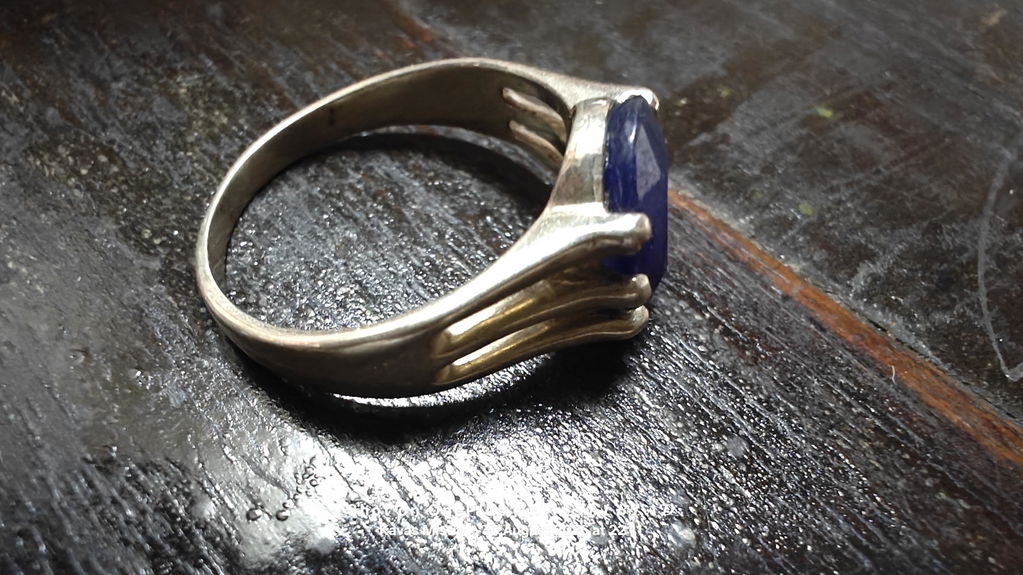
Amethyst, or Kathela in some regional dialects, is the most widely prescribed upratna for Shani. It is a purple variety of quartz with a Mohs hardness of 7 and a refractive index of 1.54 to 1.55. Its violet-to-purple colour is understood in Vedic tradition to occupy the blue end of the spectrum associated with Saturn's wavelength. Natural amethyst from Zambia and Brazil is available in deep, saturated tones suitable for astrological use.
Lapis lazuli, with its distinctive deep blue matrix and golden pyrite inclusions, is a second Saturn upratna cited in classical Jyotish texts. Its intense blue colour carries clear Shani correspondence, and it has been used in Indian astrological jewellery for centuries.
Not sure whether your birth chart warrants a Blue Sapphire or an upratna? Speak with Myra Gems' in-house advisors for personalised guidance based on your horoscope.
Get personalised gemstone guidance
Rahu and Ketu: Shadow Planets and Their Gemstone Substitutes
Rahu and Ketu are the ascending and descending lunar nodes in Vedic astrology, not visible planets, but treated as full-fledged astrological entities with their own gemstone prescriptions. Their primary ratnas are hessonite garnet, or Gomed, for Rahu and cat's eye chrysoberyl, or Lahsuniya, for Ketu.
Hessonite garnet for Rahu is a honey-to-brownish-orange grossular with a distinctive "treacly" internal appearance under magnification, caused by gas-liquid inclusions known in the trade as the "scotch-whisky effect." When Gomed in the required quality is unavailable, brown or brownish-orange zircon and spessartite garnet are prescribed as Rahu upratnas, both carrying warm, earthy tones aligned with Rahu's shadowy nature.
Cat's eye chrysoberyl for Ketu is identified by its sharp chatoyancy, the eye-like band of light that moves across the stone's surface when illuminated. Tiger's eye, a fibrous quartz with a similar chatoyant effect, is the most common Ketu upratna in popular Jyotish practice. Pale chrysoberyl without the chatoyant effect is cited in some texts as a secondary option.
A natural, untreated cat's eye can be identified by the precision and brightness of its chatoyant band. A diffuse or faint eye usually indicates a lower-quality stone or an incorrect cutting angle, which Vedic astrologers and gemologists both consider less effective for astrological purposes.
How Upratna Quality Affects Astrological Efficacy: What Vedic Texts and Gemologists Agree On
Upratnas are not exempted from quality requirements simply because they are secondary stones. According to Vedic astrology and the standards described in classical texts like the Ratnapariksha, any gemstone prescribed for planetary purposes should be free of serious inclusions, unheated and untreated, correctly cut to allow light transmission, and of sufficient weight in ratti to activate the planetary connection.
The most important factor when buying an upratna is the same as for any astrological gemstone: natural, untreated status verified by a recognised laboratory. A treated amethyst or a dyed coral upratna is considered not only ineffective in Jyotish tradition but potentially counterproductive, as it introduces artificially manipulated energetic properties into the astrological intention.
What "Natural and Untreated" Means for Each Upratna Category
For quartz-based upratnas such as amethyst, citrine, and carnelian, natural means the stone has not been heat-treated to alter colour (many commercial citrines on the market are heat-treated amethysts) and has not been fracture-filled or coated. For organic upratnas such as coral and pearl, natural means the specimen was formed biologically without artificial nucleation or dyeing. For corundum-based substitutes such as white sapphire and yellow topaz, natural means no beryllium diffusion, no glass filling, and no surface coating.
Gemologists recommend requesting a certificate from IGI, GIA, or GRS for any upratna with a per-stone value above Rs. 5,000. For lower-value stones such as amethyst or carnelian, a trusted supplier with transparent sourcing is the practical equivalent.
Ratti Weight and Setting Metal for Upratnas
The minimum weight for an upratna to carry astrological significance is generally cited as 3 ratti, with 4 to 6 ratti considered the functional range for most adult wearers. Classical texts specify that the planetary setting metal be maintained even for the substitute: Sun upratnas in gold, Moon upratnas in silver, Mars upratnas in gold or copper, Mercury upratnas in gold or panchdhatu (five-metal alloy), Jupiter upratnas in gold, Venus upratnas in platinum or white gold, and Saturn upratnas in iron, panchdhatu, or silver depending on the school of Jyotish.
The finger assignment for the upratna mirrors that of the primary stone. Wearing the substitute on a different finger from the one prescribed for the primary stone is not considered correct practice in classical Jyotish.
Common Misconceptions About Upratna in Vedic Astrology
Many buyers arrive at Myra Gems holding one of several persistent myths about gemstone substitutes. Addressing these directly helps ensure that the decision to wear an upratna is made with accurate information.
The first and most common misconception is that any stone of the right colour qualifies as an upratna. Colour is a necessary but not sufficient condition. The stone must be a naturally occurring mineral, not glass, synthetic material, or heavily treated rock. A dyed blue howlite does not substitute for lapis lazuli as a Saturn upratna, regardless of its colour.
The second misconception is that upratnas are permanently secondary and that one should always eventually upgrade to the primary stone. Vedic astrology does not frame the upratna this way. If an astrologer has prescribed an upratna for a specific chart condition, replacing it with the primary stone without re-consultation can alter the planetary balance in unintended ways.
Synthetic vs Natural Upratnas: Why the Distinction Matters in Jyotish
A synthetic gemstone is chemically and crystallographically identical to its natural counterpart but is grown in a laboratory. A synthetic amethyst or a synthetic yellow sapphire cannot function as an upratna in Vedic astrology, according to traditional Jyotish practice, because the astrological efficacy is held to reside in the stone's formation within the earth over geological time, not merely in its chemistry.
A natural, untreated upratna can be identified by the presence of natural inclusions visible under magnification, growth patterns consistent with the mineral's known geological formation, and, for certified stones, a laboratory report that explicitly states "natural, no indications of heating or treatment."
This distinction is particularly important in markets flooded with synthetic amethyst, synthetic citrine, and lab-grown white sapphire marketed as astrological substitutes. Buyers consulting a Vedic astrologer about a Saturn or Jupiter remedy deserve natural stones, not laboratory-created look-alikes.
Upratna vs Treated Primary Stone: Which Is the Correct Choice?
A question Myra Gems' gemologists field regularly is whether it is better to wear a treated primary stone, such as a heated blue sapphire, or a natural upratna like amethyst. The classical Jyotish position, as expressed in the Brihat Parashara Hora Shastra and amplified by leading practitioners in the Varanasi and Thrissur schools, is unambiguous: a natural, untreated secondary stone is preferred over a treated or enhanced primary stone. The treatment introduced into the primary stone is believed to disrupt the planetary correspondence that makes the gem astrologically meaningful.
For a deeper understanding of why treatment status matters so significantly in astrological gemstone selection, the Myra Gems article on heated vs unheated gemstones explains the gemological and traditional perspectives in full detail.
What to Know Before Buying an Upratna: Advice from Myra Gems' Gemologists
These tips come from more than 30 years of sourcing, certifying, and advising on natural gemstones across India. They reflect situations our team encounters regularly and are intended to protect you from the most common upratna buying mistakes.
First, always begin with the astrologer, not the jeweller. The upratna must be prescribed for a specific planet based on your natal chart and the active dasha period. Wearing a Saturn upratna when your chart requires a Venus stone will not produce Saturn's results. The gemologist's role is to verify and supply the natural stone after the astrological decision has been made.
Second, insist on natural and untreated above all else. In the upratna category, the temptation to pass off treated or synthetic material as genuine is significant because the price point is lower and casual buyers often do not ask the right questions. Before purchasing, ask the seller explicitly: is this stone natural and untreated? Request documentation, or if the value is low, at minimum a written declaration from the supplier.
Third, weight matters more than people expect for upratnas. A 1-ratti amethyst or a 0.5-ratti citrine will not provide the astrological grounding that classical texts recommend. In over three decades of advising clients through Saturn mahadashas and Jupiter transits, our gemologists have observed that under-weighted upratnas are the single most common reason buyers report feeling "no effect" from their stone. Work within your budget for quality, but do not go below 3 ratti for any upratna intended for astrological purposes.
Fourth, pay attention to inclusions. Natural upratnas such as amethyst and citrine frequently appear with growth zoning, small internal cracks called feathers, and mineral inclusions. A moderate level of these natural characteristics is acceptable and expected. However, large fractures running across the table of the stone, black opaque inclusions visible to the naked eye, or a cloudy, milky appearance throughout the body are all considered unfavourable in Jyotish tradition, as they interrupt the stone's light transmission.
Fifth, consider the ring design. An upratna set in a closed-back bezel setting that covers the stone's pavilion will reduce its optical performance and, according to traditional Jyotish, reduce its astrological efficacy. Open-back settings that allow light to enter and exit the stone from all sides are standard in authentic astrological ring design. At Myra Gems, all astrological rings, whether for a primary stone or an upratna, are designed with this principle in mind.
Sixth, check the sourcing origin where possible. Zambian amethyst offers some of the deepest natural purple tones available for Saturn remedies. Brazilian citrine varies widely; prefer unheated natural citrine from reputable suppliers rather than the bright orange citrine that has almost certainly been heat-treated from pale amethyst. For white sapphire used as a Venus upratna, Sri Lankan stones set the standard for clarity and natural colour. Knowing the origin helps you ask the right questions and protects against substitution.
Explore certified natural gemstone rings at Myra Gems Every stone in our collection is sourced for natural, unheated quality and backed by a recognised laboratory certificate, so your upratna or primary stone arrives verified and ready for astrological purpose. View all certified natural gemstone rings
Common Questions About Upratna and Gemstone Substitutes in Vedic Astrology
Q: What is an upratna in Vedic astrology?
A: An upratna is a secondary or substitute gemstone prescribed in Vedic astrology when the primary planetary stone, known as the mukhya ratna, is unavailable, unaffordable, or astrologically unsuitable for a specific birth chart. Upratnas share the same planetary ruler as the primary stone and are believed in Jyotish tradition to transmit a similar, though subtler, planetary influence. They are described in classical Sanskrit texts including the Ratnapariksha and have been used in Indian astrological practice for centuries. The key requirement is that the upratna must be natural and untreated to be considered gemologically and astrologically valid.
Q: Can an upratna give the same results as the primary gemstone?
A: An upratna is traditionally considered to produce a similar planetary influence at a gentler level, not an identical one. Many Vedic astrologers hold that a high-quality natural upratna will outperform an included, treated, or low-quality primary stone, because the integrity of the natural gem matters more than its market rank. However, for strong planetary placements requiring intensive remedies, most Jyotish practitioners recommend the primary stone if it can be obtained in natural, untreated form within an appropriate quality range.
Q: Which stone is the upratna for Blue Sapphire (Neelam)?
A: Amethyst is the most widely accepted upratna for Blue Sapphire in Vedic astrology. Lapis lazuli and blue spinel are also cited in classical and contemporary Jyotish texts as Saturn substitutes. All three share the blue to violet colour range associated with Shani's planetary frequency. The upratna should be natural, untreated, and set in the same metal and worn on the same finger prescribed for the primary Neelam, typically the middle finger of the right hand, set in silver or panchdhatu, on a Saturday during Shani hora.
Q: Is yellow topaz the same as yellow sapphire for astrological purposes?
A: Yellow topaz and yellow sapphire are different minerals with different gemological properties, but both are accepted in Vedic astrology for Jupiter's planetary remedy, with yellow sapphire (Pukhraj) as the primary stone and yellow topaz as the principal upratna. Yellow sapphire is a corundum with Mohs hardness 9, while yellow topaz has Mohs hardness 8. Vedic astrologers generally consider yellow sapphire more potent for Jupiter's influence, but a natural, unirradiated yellow topaz in the correct ratti weight and setting is a respected astrological substitute. Always confirm with your Jyotish practitioner which is appropriate for your chart.
Q: Can I wear an upratna without consulting an astrologer?
A: It is not advisable to select and wear any astrological gemstone, including an upratna, without consulting a qualified Vedic astrologer. Gemstones prescribed for specific planets are intended to strengthen or balance planetary energies identified in your individual natal chart. Wearing a stone for the wrong planet, or for a planet that is functioning well without intervention, can produce unintended astrological effects according to Jyotish tradition. The investment in a consultation is small compared to the cost of wearing the wrong stone for an extended period.
Q: Does Myra Gems supply upratna rings with certification?
A: Yes. Myra Gems supplies natural, certified gemstone rings including stones commonly prescribed as upratnas, such as amethyst, garnet, citrine, opal, and tourmaline. Each stone is verified for natural, untreated status, and IGI or GIA certificates are available for higher-value pieces. Our gemology team can assist buyers in identifying the correct upratna based on their astrologer's prescription and advise on appropriate ratti weight, setting metal, and ring design for astrological use. You can explore the full collection of natural gemstone rings or reach out for personalised guidance.
Q: What is the upratna for Ruby (Manik)?
A: Red garnet, specifically pyrope or almandine garnet, is the primary upratna for Ruby in Vedic astrology. Both stones carry the deep red colour associated with the Sun's planetary influence. Red spinel is also accepted as a high-quality Sun substitute, particularly because it occurs naturally without treatment in many fine specimens. The upratna for the Sun should be set in gold and worn on the ring finger of the right hand on a Sunday morning, mirroring the prescription for ruby.
Q: How much should I spend on an upratna compared to the primary stone?
A: A natural upratna will typically cost significantly less than the primary stone, but quality should never be sacrificed for price. A well-chosen natural amethyst of 5 ratti in a silver setting will serve the Saturn remedy better than a synthetic blue sapphire or a heavily included, low-grade Neelam at a higher price. Spend what is necessary to obtain a natural, untreated stone of at least 3 ratti in the required colour saturation. Request documentation from your supplier, and if a stone seems unusually cheap for its stated quality, treat that as a warning to verify its origin and treatment status more carefully.
Q: What is the upratna for Emerald (Panna)?
A: Green tourmaline, also called Verdelite, is the primary upratna for Emerald in Vedic astrology. It shares the green colour range associated with Mercury and is available in natural, unheated form from Mozambique, Brazil, and Rajasthan at accessible prices. Peridot, with its yellowish-green tone, and green jade are also prescribed as Mercury substitutes in certain Jyotish traditions. When selecting a green tourmaline upratna, look for minimal brown secondary hues, as a pure green tone maintains the closest alignment with Mercury's planetary colour frequency.
Q: Can two upratnas for the same planet be worn together?
A: Wearing two upratnas for the same planet simultaneously is generally not recommended in classical Jyotish practice without specific guidance from a practitioner. The combined planetary energy can become overstimulated in certain chart configurations. The standard prescription is one primary stone or one upratna for a given planet, not a combination of both or two substitutes at once. If your astrologer advises wearing both for a specific reason, follow that guidance while maintaining the correct finger and metal assignments for each stone.
Conclusion
The upratna tradition in Vedic astrology is a thoughtfully constructed system that extends planetary remedies to a far wider community of practitioners than the mukhya ratna alone could serve. Understanding the logic of colour correspondence, mineral classification, and planetary sympathy allows buyers to engage with their astrologer's prescription from a position of knowledge, rather than relying entirely on assumptions about which secondary stone will serve them. The most important principle, whether you choose a primary ratna or an upratna, remains constant: natural, untreated quality verified by a recognised gemological body such as IGI or GIA is non-negotiable.
The Myra Gems gemology team has observed over more than three decades that the buyers who achieve the most satisfying results from astrological gemstones are those who combine a considered consultation with an informed purchase. An upratna chosen with care and worn with astrological intention is not a shortcut. It is a legitimate, classically endorsed pathway into planetary gemstone practice.
As always, the information here is for educational purposes. Please consult a qualified Vedic astrologer before selecting any gemstone for astrological use.
To explore natural, certified gemstones across every planet and upratna category, visit the Myra Gems natural gemstone collection and find a stone that aligns with both your chart and your craft.