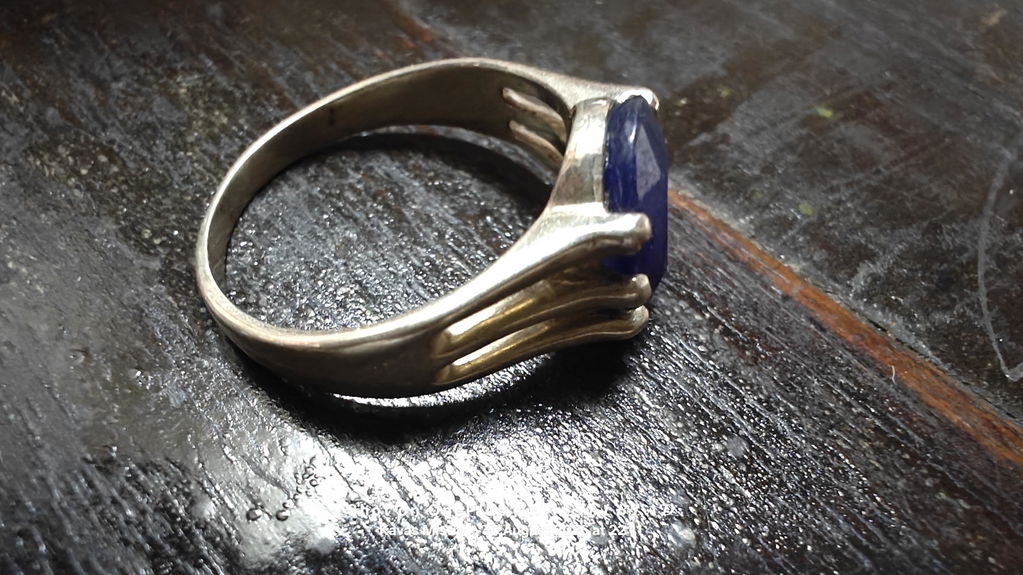
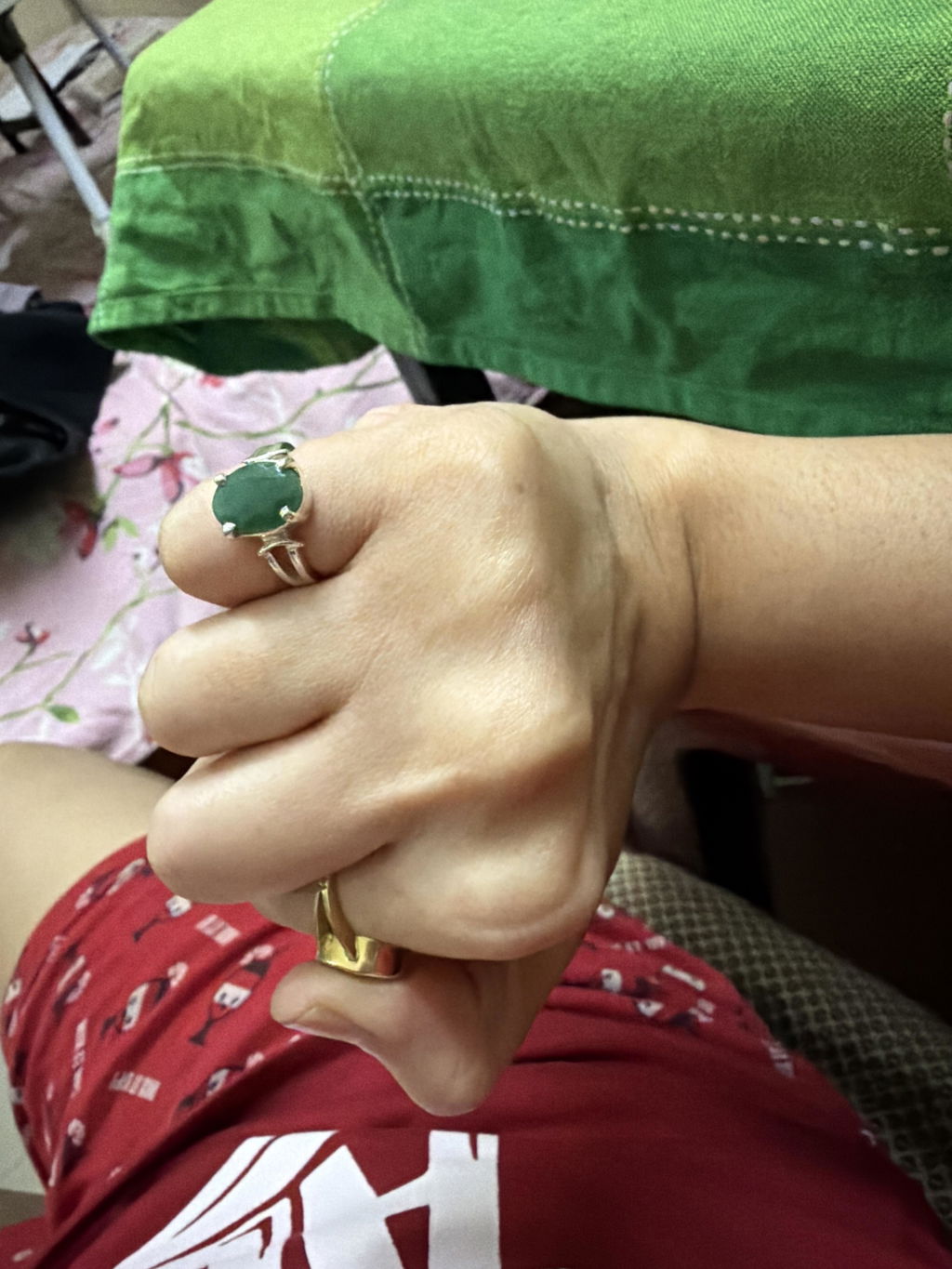
Real vs fake gemstones is not a niche concern for collectors. It is the most important question any Indian buyer must resolve before parting with money, and increasingly before selecting a stone for Vedic astrological use. In Vedic tradition, planetary gemstones derive their significance from their natural origin: a stone formed inside the earth over millions of years, carrying the mineral composition and subtle energies that astrologers have referenced since the Ratnapariksha, one of the oldest Sanskrit treatises on gemstone quality and classification. A synthetic stone or a glass imitation carries none of that geological history, no matter how beautiful it may appear.
This guide covers everything you need to know: the difference between natural, synthetic, treated, and fake gemstones; the at-home tests that offer useful preliminary clues; the laboratory methods that provide certainty; and the specific red flags for India's most popular astrological stones, including Ruby (Manik), Blue Sapphire (Neelam), Yellow Sapphire (Pukhraj), and Emerald (Panna). By the end, you will know exactly what to look for, what questions to ask, and why a certified stone from a trustworthy source is always worth the investment.
Natural, Synthetic, Treated, and Fake: Understanding the Four Categories
Before you can identify a fake gemstone, you need to understand that "fake" is not a single category. The gemstone market in India, and globally, presents buyers with four distinct types of stones, each with very different implications for astrological use, value, and long-term satisfaction.
A natural gemstone is one that formed inside the earth through geological processes over hundreds of thousands to millions of years, with no human intervention in its creation. Natural rubies from Burma, sapphires from Ceylon (Sri Lanka), and emeralds from Colombia or Zambia are the gold standard. Their inclusions, their refractive index, their specific gravity, and their trace element fingerprints are all consequences of the conditions under which they formed. According to Vedic astrology, only natural, unheated gemstones carry the full planetary association that makes them meaningful for astrological purposes.
A synthetic gemstone, sometimes called a lab-grown or created stone, has the same chemical composition as a natural stone but was manufactured in a controlled laboratory setting, typically over days or weeks rather than millennia. A synthetic ruby and a natural ruby are both corundum, both scoring 9 on the Mohs hardness scale, both showing the same refractive index of approximately 1.76 to 1.77. The difference lies in their origin and in the absence of natural inclusions that serve as internal fingerprints. Synthetics are not "fake" in the sense of being a different mineral, but they are not natural, and for astrological purposes, the Vedic tradition does not recognise them as substitutes.
A treated gemstone is a natural stone that has undergone post-mining enhancement, including heat treatment to improve colour, fracture filling with glass or resin, surface coating, or irradiation. Treatment is extremely common in the gemstone trade: the vast majority of rubies and blue sapphires sold globally have been heat-treated. At Myra Gems, we are transparent about this. A heated stone can still be beautiful and valuable, but for strict astrological use, many practitioners of the Brihat Parashara Hora Shastra tradition hold that natural, unheated stones of sufficient weight and quality are preferable.
A fake or imitation gemstone is a completely different material: glass, cubic zirconia, synthetic spinel, dyed quartz, or even plastic, coloured and shaped to resemble a more valuable stone. These have no mineralogical relationship to the stone they imitate and, from the perspective of both gemology and Vedic tradition, carry none of its properties.
Quick Answer
For astrological use, choose natural and preferably unheated stones with a lab certificate from IGI, GIA, or GRS.
Natural
Formed in the earth; most valuable; full astrological recognition
Synthetic (Lab-grown)
Same chemistry, no natural origin; not recognised astrologically by most traditions
Treated
Natural origin, altered post-mining; common in the trade; partial astrological acceptance depending on treatment type
Fake / Imitation
Different material entirely; glass, CZ, plastic; no gemological or astrological value
The Visual Tests Any Buyer Can Attempt at Home
The most reliable identification methods require professional equipment. But a careful visual inspection can flag obvious fakes before you reach the gemologist's office. These tests are preliminary, not conclusive.
Inclusions: Nature's Internal Fingerprints
Natural gemstones almost always contain inclusions: tiny crystals, rutile needles, fingerprint patterns, or liquid-filled cavities. These are not defects; they are evidence of a geological journey spanning thousands of years. When you examine a gemstone under a jeweller's loupe (10x magnification is standard), a natural stone will typically reveal some internal characteristic, even if it is eye-clean to the naked eye.
A stone that looks absolutely flawless under magnification is a red flag rather than a selling point. Lab-grown stones tend to show curved growth striations or gas bubbles rather than the angular, irregular inclusions seen in natural material. Glass imitations often show swirling "flow lines" or tiny spherical bubbles. At Myra Gems, our gemologists routinely show customers the inclusions in their purchased stones under a loupe, not to apologise for them, but to celebrate them as proof of natural origin.
There is one important exception: natural emeralds from Colombian sources frequently have what the trade calls a "jardin" (garden), a dense network of inclusions. An emerald with no inclusions at all is more likely synthetic or glass-filled than it is genuinely flawless.
Temperature: The Cool-to-Touch Test
Natural gemstones conduct heat differently from glass and most plastics. A real sapphire, ruby, or emerald will feel noticeably cool when held against your inner wrist or cheek, even at room temperature. It will take a few seconds to warm up. Glass, by contrast, reaches ambient temperature almost immediately.
This is not a foolproof test because some synthetic stones also feel cool, and ambient conditions matter. But it is a useful first step, particularly for distinguishing glass imitations from genuine corundum (ruby and sapphire) or beryl (emerald).
Light Behaviour: Colour Zoning and Pleochroism
Natural coloured gemstones often show colour zoning: areas of darker or lighter colour that reflect how the stone grew. Rotate a natural ruby or sapphire slowly under direct light. You should see subtle variations in depth and tone. Perfectly uniform colour throughout is common in synthetics and glass.
Many natural gemstones also display pleochroism, the optical phenomenon where the stone appears to show different colours when viewed from different angles. Natural Blue Sapphire (Neelam), governed by Shani (Saturn) in Vedic astrology, typically shows a violet-blue to slightly greenish-blue shift depending on viewing angle. A glass imitation shows no such change.
Gemologist-Level Tests That Provide Certainty
Home tests narrow the field but do not provide conclusive answers. Genuine certainty about real vs fake gemstones comes only from the methods used by professional gemologists.
Refractive Index Testing
Every mineral has a characteristic refractive index, the degree to which it bends light. A refractometer measures this precisely. Natural ruby and blue sapphire (both corundum) have a refractive index of approximately 1.762 to 1.770. Natural emerald (beryl) reads between 1.565 and 1.602. Glass typically reads between 1.44 and 1.70 depending on composition, and cubic zirconia reads around 2.15 to 2.18.
These readings are highly specific, and a skilled gemologist can identify most major gemstones, and flag most common imitations, in under a minute with a refractometer alone.
Specific Gravity Testing
Specific gravity is the ratio of a gemstone's weight to the weight of an equal volume of water. Natural corundum (ruby and sapphire) has a specific gravity of approximately 4.00. Natural emerald sits between 2.67 and 2.78. Glass imitations are typically lighter or heavier depending on their composition, and synthetic cubic zirconia is notably heavier at around 5.60 to 5.90.
In practical terms: if a stone that is claimed to be a sapphire feels unusually light in hand, that is a meaningful signal. Gemologists use hydrostatic weighing to calculate specific gravity with precision, but experienced jewellers develop an intuitive sense for the "heft" of genuine corundum over years of handling.
Spectroscopy and Advanced Laboratory Testing
For high-value stones or contested cases, advanced testing is available. Raman spectroscopy identifies a stone's molecular structure, providing a chemical fingerprint that distinguishes natural from synthetic and from imitation. UV fluorescence testing can reveal whether a ruby is natural, synthetic, or glass-filled. Photoluminescence analysis can detect the presence of chromium, the trace element responsible for the red colour in genuine rubies, at levels that confirm or rule out natural origin.
These tests are conducted at certified laboratories. In India, buyers can access IGI (International Gemological Institute) and GIA (Gemological Institute of America) certified reports through reputable gemstone retailers. GRS (Gem Research Swisslab) provides the highest-level origin reports for premium rubies and sapphires.
The most important factor when buying any astrological gemstone is whether it comes with a current laboratory certificate from one of these recognised bodies, specifying the stone's species, variety, weight, and treatment status.
Buy Certified Natural Gemstones from Myra Gems
Every gemstone at Myra Gems is sourced from verified origins, from the ruby mines of Burma to the sapphire fields of Sri Lanka, and comes with a laboratory certificate. Our stones are inspected by our in-house gemology team before listing.
Explore our certified natural gemstone rings
Stone-by-Stone Guide: Red Flags for India's Most Popular Astrological Gems
How to Identify a Real Ruby (Manik) vs Glass or Synthetic
Natural ruby belongs to the corundum family and scores 9 on the Mohs hardness scale, second only to diamond. Its characteristic red colour comes from chromium as a trace element. The finest natural rubies, often called "Burmese pigeon-blood" in the trade, come from Mogok, Burma, and show a vivid, slightly fluorescent red that is hard to replicate convincingly in glass.
Gemologists recommend looking for silk, the term for the fine rutile needle inclusions that appear in natural rubies and give unheated stones a characteristic internal glow. Glass-filled rubies (a common fraud type in the Indian market) often have a surface lustre that appears slightly greasy or waxy rather than vitreous. Under magnification, the filling material in fractures may show bubbles or a different refractive quality from the surrounding corundum. A natural, unheated ruby from Burma or Mozambique, properly certified, will always show silk rather than glass-fill evidence.
According to Vedic astrology, Manik is the stone of Surya (the Sun), the graha representing authority, vitality, and self-confidence. Astrologers believe that a genuine natural ruby, worn as directed by a qualified practitioner, can strengthen the Sun's influence in a person's birth chart. A glass imitation, regardless of its colour, carries no such association in the Vedic tradition.
A customer looking for a natural Manik for astrological purposes recently came to Myra Gems with a stone purchased elsewhere that had been described to him as "certified Burmese ruby." Our gemologist identified it within minutes as glass-filled corundum: the presence of elongated gas bubbles and a surface-reaching fracture filled with a lead-based material made the treatment immediately apparent under 10x magnification.
How to Identify a Real Blue Sapphire (Neelam) vs Synthetic
Natural Blue Sapphire (Neelam) is also corundum, with a refractive index of 1.762 to 1.770 and a specific gravity of approximately 4.00. The finest natural sapphires come from Ceylon (Sri Lanka), known in the trade as "Ceylon blue," a delicate, slightly violet-tinted medium blue that is distinct from the inky, over-saturated blue of many synthetic stones.
The most common imitations in the Indian market are synthetic blue sapphire (which has the same chemistry but no natural inclusions), blue glass, and blue-dyed quartz. Under magnification, natural sapphires show characteristic inclusions: fingerprint patterns, rutile silk (particularly in unheated stones), and colour zoning. Synthetic sapphires show curved striae and gas bubbles. Blue glass shows flow lines and spherical bubbles.
In Vedic astrology, Neelam is the gemstone of Shani (Saturn), one of the most powerful planetary influences in a birth chart. Astrologers note that Saturn's mahadasha (planetary period) and sade sati (the seven-and-a-half-year transit) are among the most commonly cited reasons why Indian buyers seek Blue Sapphire. The traditional guidance is that only a natural, eye-clean or better quality Neelam, worn in silver or gold on the middle finger of the right hand as directed by a knowledgeable astrologer, is considered appropriate.
How to Identify a Real Emerald (Panna) vs Glass or Synthetic
Natural emerald (Panna) is beryl coloured green by chromium and vanadium. It is notably softer than ruby and sapphire, scoring 7.5 to 8 on the Mohs scale, and it is rarely eye-clean. The Colombian emerald trade, centred in the Muzo and Chivor mines, and Zambian emeralds from the Kagem mine, are the primary sources for top-quality natural stones.
A natural, untreated emerald can be identified by the presence of a jardin: a complex network of internal inclusions, healed fractures, and growth tubes that, under magnification, looks almost like a miniature landscape. An emerald with no inclusions is almost certainly synthetic or glass. Many natural emeralds are also oiled or resin-filled to improve clarity; while this treatment is accepted in the trade and disclosed by reputable sellers, it is different from glass imitation.
The most common emerald fakes in India include green glass, synthetic emerald (produced by flux or hydrothermal growth methods), and green-dyed beryl or quartz. Synthetic emeralds show a characteristic nail-head or chevron growth pattern under magnification that is absent in natural stones. Dyed materials often show colour concentration along fractures.
According to Vedic astrology, Panna is the stone of Budh (Mercury), the graha of intellect, communication, and commerce. The Ratnapariksha, an ancient Sanskrit text, specifically warns against wearing gemstones with structural flaws or that have been adulterated, pointing to a long tradition of quality evaluation in Indian gem culture.
How to Identify a Real Yellow Sapphire (Pukhraj) vs Synthetic or Topaz
Yellow Sapphire, called Pukhraj in Hindi and Sanskrit, is yellow corundum and shares the hardness (9 on Mohs) and refractive index (1.762 to 1.770) of blue sapphire. The finest natural Pukhraj comes from Ceylon, with a warm, slightly golden yellow that is distinct from the cooler yellow of synthetic corundum.
A common substitution in the Indian market is yellow topaz sold as Pukhraj. Topaz has a different refractive index (1.619 to 1.627) and a noticeably lower specific gravity (3.53, versus corundum's 4.00). A refractometer reading will distinguish the two definitively. Yellow glass and synthetic yellow sapphire are also common.
In Vedic astrology, Pukhraj is the gemstone of Guru (Jupiter), the graha of wisdom, prosperity, and spiritual growth. The governing Vedic planet Jupiter is considered the most benefic in the chart, and astrologers traditionally recommend Pukhraj for individuals whose charts show a weakened or well-placed Jupiter. The traditional guidance is to wear a natural, certified Pukhraj of at least 2 carats in gold, on the index finger of the right hand, after consultation with a qualified astrologer.
Get personalised gemstone guidance from our expert team
How to Read a Gemstone Lab Certificate: What Buyers Must Look For
A gemstone certificate is your primary defence against fraud. But not all certificates are equal, and some sellers in the Indian market have been known to issue self-made "certificates" that carry no authority. Understanding what a genuine lab report looks like is essential.
Recognised Certification Bodies and Their Reports
Gemologists recommend the following laboratories as the global gold standard for gemstone certification: GIA (Gemological Institute of America), IGI (International Gemological Institute), GRS (Gem Research Swisslab), and Gübelin Gem Lab. In India, IGI has strong market presence, with testing centres in Mumbai and Delhi. GIA reports are widely accepted in international trade. GRS is particularly respected for ruby and sapphire origin determinations from the Burmese, Ceylon, and Mozambican sources.
A genuine IGI or GIA certificate will include: a unique report number verifiable on the laboratory's website, the species and variety of the gemstone (e.g., "Ruby, corundum"), the weight in carats, the dimensions, the colour grade, the clarity grade, the origin determination (if applicable), and critically, the treatment disclosure. If a report does not clearly state whether the stone has been heated, oiled, glass-filled, or otherwise treated, it is incomplete and should prompt questions.
Treatment Disclosure: The Detail Most Buyers Miss
At Myra Gems, over thirty years of sourcing and selling to customers across India, one pattern emerges consistently: buyers focus on colour and weight but overlook the treatment disclosure. This is the single detail most likely to affect both the astrological suitability and the long-term value of a gemstone.
A GIA report for a ruby, for example, will state one of the following: "No indications of heating" (the most desirable outcome for astrological use), "Evidence of heating" (very common), or "Clarity enhanced" (indicating glass-fill, the most concerning treatment for astrological purposes). A Pukhraj or Panna certificate should similarly disclose whether the stone has been oiled, resin-filled, or heat-treated.
Verifying the Certificate Online
Every major laboratory provides an online verification tool. For GIA, visit gia.edu and enter the report number. For IGI, use igiworldwide.com. If the certificate number does not appear in the laboratory's official database, the report is a forgery. This check takes under a minute and should always be performed before finalising a high-value purchase.
The Most Common Fakes in the Indian Market: A Gemologist's Warning List
Over the course of sourcing natural gemstones from Jaipur's gem markets, from mining regions in Sri Lanka and Burma, and from the Zambian emerald fields, the Myra Gems gemology team has catalogued the substitutions and frauds that Indian buyers encounter most frequently.
Glass-filled rubies are the most commonly encountered fraud in the mid-price ruby segment. A natural ruby with heavy fractures is treated with lead-based glass to improve transparency and apparent clarity. The resulting stone can look beautiful to the naked eye but is structurally compromised and unacceptable for astrological use. The filling can deteriorate over time with exposure to cleaning products or heat.
Synthetic blue sapphire is routinely sold as natural Ceylon sapphire at price points that should be red flags. Natural, unheated Ceylon sapphire of good quality is rare and commands significant premiums. A stone priced at a fraction of the market rate for this quality deserves immediate scrutiny.
Dyed quartz is used to imitate both yellow sapphire (using yellow or golden quartz) and amethyst at the lower end of the market. Quartz scores only 7 on the Mohs scale compared to corundum's 9, and its refractive index (1.544 to 1.553) is very different from that of corundum, making it easy to detect with a refractometer.
Green glass and synthetic emerald are the most common substitutes for natural Panna. Green glass can be produced in extraordinary variety of colours and saturations, and without magnification, a high-quality green glass piece can fool an untrained eye. The jardin of a natural emerald, visible under magnification, is the most reliable visual clue.
Composite or "doublet" stones are assemblages: a thin slice of genuine gemstone bonded to glass or synthetic material. From the top, a doublet looks like a real stone. From the side, the junction of the two materials is visible under magnification. These are occasionally used in the lower-quality segments of the Indian market.
What to Know Before Buying Gemstones: Advice from Myra Gems' Gemologists
The following tips come directly from our in-house gemology team, shaped by thirty-plus years of buying stones from Jaipur's gem wholesale markets, the Burmese border towns, and the international laboratory circuit.
Never buy a gemstone without a verifiable certificate from IGI, GIA, GRS, or an equivalent body. A certificate from an unknown or self-designated "gemological laboratory" is not a meaningful guarantee. The certificate number must be checkable online.
Treat price as a warning signal, not a measure of value. The current wholesale rate for a natural, unheated, eye-clean Ceylon blue sapphire of 2 to 3 carats runs at a substantial premium. If you are offered a stone at a price that seems dramatically lower than the market, the stone is not what it claims to be. At Myra Gems, we price transparently and are always willing to explain our pricing based on the certificate details.
Ask specifically about treatments before purchasing. The question is not "Is this real?" but "Is this natural, unheated, and untreated?" A seller who cannot answer this question with a certificate is not a seller worth buying from.
Match the stone's sourcing origin to the certificate. Burmese pigeon-blood ruby, Ceylon blue sapphire, Colombian emerald: these are trade designations with specific meaning. A certificate from GRS or GIA that includes an origin determination adds significantly to both the value and the confidence of a purchase.
Inclusions are not the enemy. In over three decades of working with natural gemstones, the Myra Gems team has found that buyers who seek flawless stones frequently end up with synthetics. Accepting natural inclusions within reason is the price of genuine natural origin.
Ask for the stone to be examined under a loupe before purchase. Any reputable seller will agree to this. If a seller resists the request, walk away.
Understand that treated stones are not inherently bad, but transparency is non-negotiable. A heat-treated sapphire or oiled emerald, fully disclosed and priced accordingly, is a legitimate purchase. The problem is concealment.
Trusted by Over 30,000 Indian Buyers Since 2008
Myra Gems has been sourcing and selling certified natural gemstone jewellery from Mumbai since 2008, building a reputation on transparency, gemological rigour, and customer education. Every ring and pendant in our collection comes with a certificate and our team's commitment.
Explore the full Myra Gems collection
Frequently Asked Questions About Real vs Fake Gemstones
Q: How can I tell if a gemstone is real or fake at home without any equipment? A: The most useful home tests are the temperature test (a natural gemstone feels cool to the touch and takes a few seconds to warm up, while glass warms almost immediately) and the loupe inspection (if you have a 10x magnifier, look for natural inclusions: perfect clarity is often a warning sign, not a quality indicator). These tests are preliminary and should always be confirmed by a gemologist with a refractometer and a certified lab report.
Q: Is a lab-grown gemstone the same as a fake gemstone? A: Not exactly. A lab-grown gemstone has the same chemical composition as its natural counterpart: a synthetic ruby is still corundum, just as a natural ruby is. However, it was not formed in the earth, and in Vedic astrological tradition it is not considered equivalent to a natural stone. A glass or plastic imitation is a different mineral entirely and is more accurately described as a fake. The distinction matters: synthetic is not natural, but it is not the same as a complete imitation.
Q: Can I trust gemstone certificates from small local shops? A: You should only trust certificates from internationally recognised laboratories: GIA, IGI, GRS, or Gübelin. A certificate issued by the seller's own "in-house laboratory" or an unknown organisation provides no independent verification. Always verify the certificate number on the issuing laboratory's official website before completing any significant purchase.
Q: Does a GIA or IGI certificate guarantee the gemstone is not treated? A: A GIA or IGI certificate accurately discloses whether a gemstone has been treated, including heat treatment, fracture filling, oiling, or irradiation. It does not guarantee the stone is untreated: it reports the facts. You should read the treatment section of the certificate carefully, and for astrological purposes, seek stones reported as "no indications of heating" or "no evidence of treatment."
Q: Why do natural gemstones have inclusions, and does that make them lower quality? A: Natural gemstones form inside the earth over vast periods of time under variable conditions. Inclusions, tiny internal features like crystals, fractures, or growth patterns, are direct evidence of that natural origin and are expected. A completely flawless stone of significant size raises questions about whether it is natural at all. While fewer and less visible inclusions generally mean higher clarity grades and value, the presence of inclusions is not a defect; it is a fingerprint of authenticity.
Q: What is the safest way to buy a natural gemstone in India for astrological use? A: The safest approach involves three steps: purchase only from a reputable seller who sources certified natural gemstones; insist on a certificate from IGI, GIA, or GRS specifying the stone is natural and disclosing any treatments; and verify the certificate number on the laboratory's official online database before payment. Myra Gems provides all of this as standard for every stone in our collection.
Q: Are natural gemstones from Jaipur reliable? A: Jaipur is one of the world's most important gem trading and cutting hubs, handling a significant portion of the coloured stone trade that flows into Indian retail. According to the Gem and Jewellery Export Promotion Council, Jaipur accounts for a major share of India's gemstone processing. Buying from Jaipur is not inherently more or less reliable than buying elsewhere: what matters is whether the stone comes with a verifiable certificate from a recognised laboratory, regardless of where it was cut or traded.
Q: How can I identify a real Ruby specifically? A: A natural ruby will show characteristic silk (rutile needle inclusions) under 10x magnification, particularly if it is unheated. It will feel cool to the touch. Its refractive index, measurable with a refractometer, falls between 1.762 and 1.770. Glass imitations will show bubbles and flow lines. A certified ruby will have a GIA, IGI, or GRS report specifying its species as corundum, its variety as ruby, and disclosing any treatments such as glass-filling, which immediately disqualifies it for astrological use.
Q: Does Myra Gems sell natural, certified gemstones? A: Yes. Myra Gems has been sourcing certified natural gemstones since 2008, with our gemology team selecting stones from verified origins including Burma, Sri Lanka, Mozambique, and Zambia. Every stone in our collection comes with a laboratory certificate, and our team is available for gemstone guidance consultations at myragems.com/pages/gemstone-guidance. We are happy to explain the certificate for any stone we sell and verify its number with you directly.
Q: Is it possible to identify a fake gemstone just by looking at its colour? A: Colour alone is not a reliable indicator. Skilled imitation producers can produce glass in virtually any colour, saturation, and tone. What colour can tell you is whether a stone is suspicious on price-to-quality grounds: an extremely vivid, heavily saturated stone at a very low price warrants caution. Colour zoning, the subtle variations in colour depth that natural gemstones often show when rotated under light, is a more useful visual cue than colour saturation on its own.
Understanding Real vs Fake Gemstones: A Summary
The difference between a natural gemstone and its imitation is not always visible to the naked eye, and in today's market it is increasingly invisible even to experienced buyers without testing equipment. The gemstone trade in India has access to synthetic stones, composite assemblages, and glass imitations of remarkable quality, and the only reliable defence is knowledge, careful observation, and professional certification.
According to Vedic astrology, the power attributed to gemstones like Neelam, Pukhraj, Manik, and Panna is specifically connected to their natural origin. The traditions recorded in texts like the Ratnapariksha and the Brihat Parashara Hora Shastra consistently emphasise quality and authenticity as prerequisites for any astrological benefit. A buyer who inadvertently wears an imitation instead of a natural stone is not protected by good intentions.
Gemologists recommend starting every gemstone purchase with three questions: Is this natural? Has it been treated, and if so, how? Where is the verifiable certificate from a recognised laboratory? Any seller who cannot answer all three clearly and provide documentation is not a seller you should trust with a purchase as significant as an astrological gemstone.
The information in this article is for educational purposes. Please consult a qualified Vedic astrologer before selecting or wearing any gemstone for astrological purposes.
At Myra Gems, we believe that informed buyers make the best customers. Explore our full collection of certified natural gemstone rings and pendants, and feel free to reach out to our gemology team for guidance before you decide.
Discover certified natural gemstone jewellery at Myra Gems