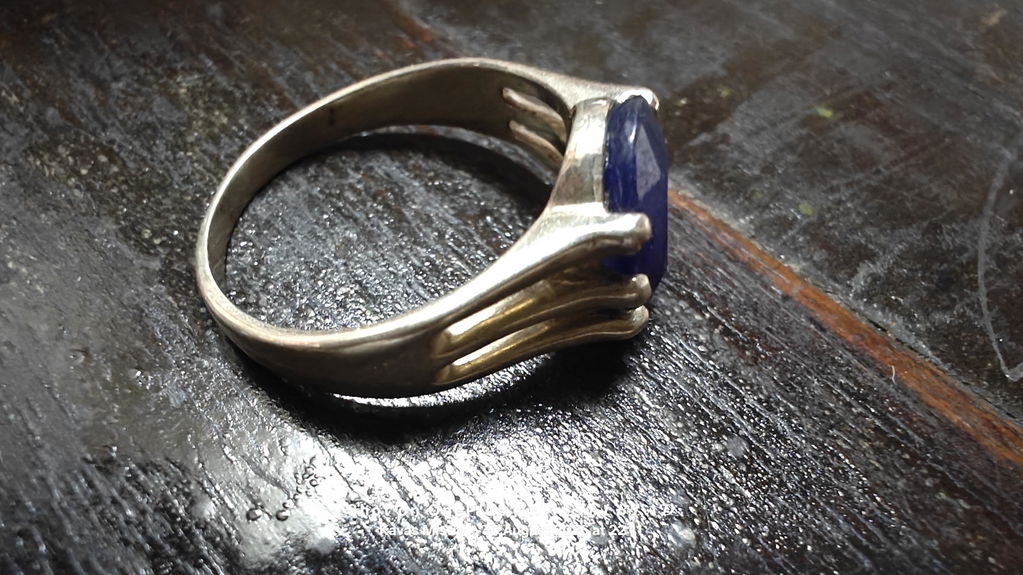
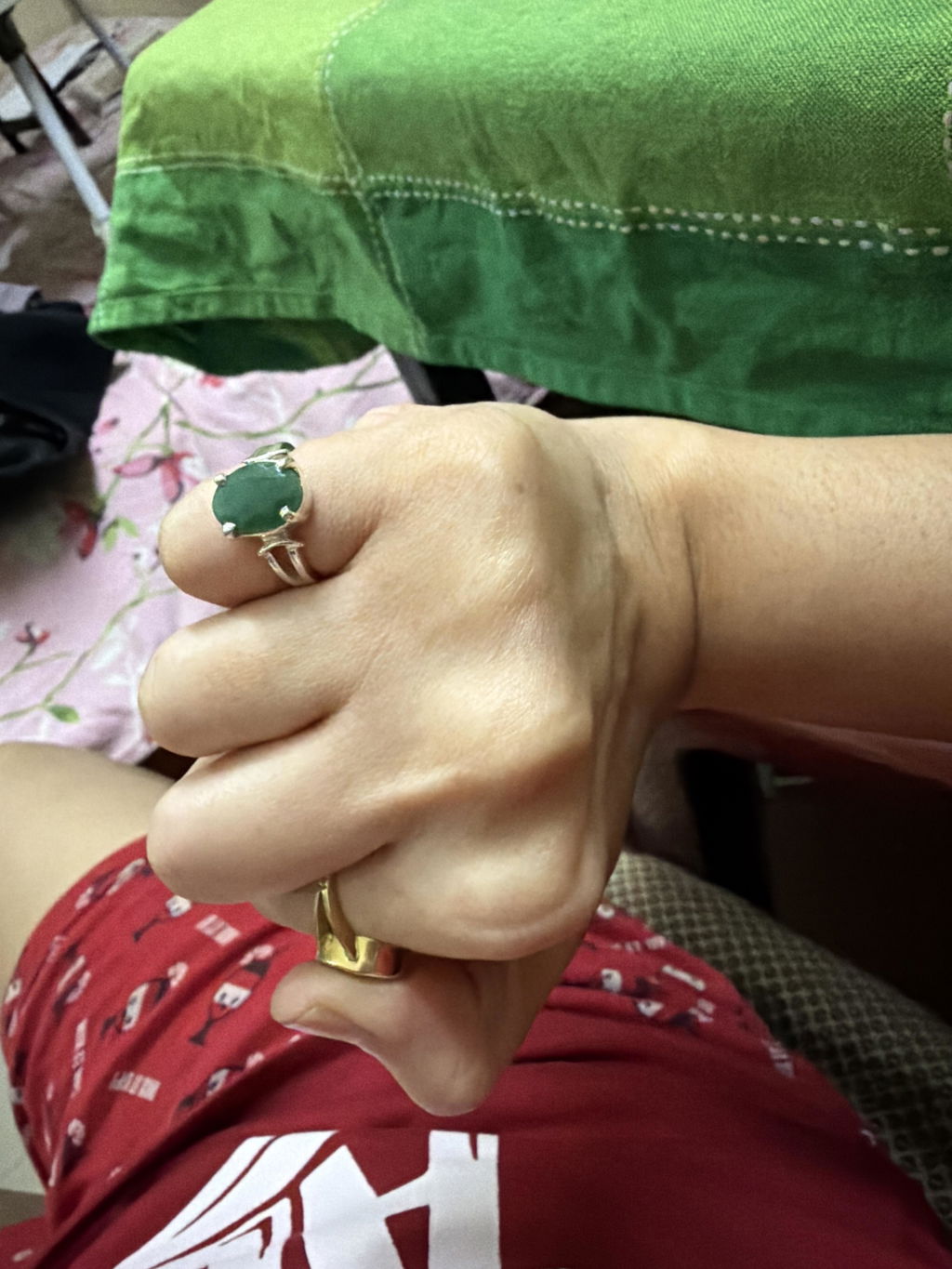
Two customers walk into a Jaipur gem market on the same afternoon. Both are shown a Blue Sapphire, both are told it came from Sri Lanka, and both are quoted prices that are worlds apart. Neither seller provides a satisfying explanation. This happens every day across India, in markets from Jaipur to Crawford Market in Mumbai, and it is one of the most persistent sources of confusion for genuine buyers.
Gemstone price differences within the same variety, even from the same geographic origin, are enormous — and every one of them is legitimate. Two pieces of rough corundum pulled from adjacent tunnels in Ratnapura, Sri Lanka, can trade at completely different per-ratti rates by the time they reach a finished stone in an Indian jeweller's display. The same is true for a Manik from Mozambique, a Panna from Colombia, or a Pukhraj from Sri Lanka. Understanding why this happens is not a matter of academic interest. For anyone buying a Neelam for Saturn's mahadasha, or seeking a Pukhraj ring to strengthen Guru's influence in their birth chart, the price gap between two visually similar stones can run into tens of thousands of rupees. Knowing what drives that gap is what separates an informed buyer from one who is simply hoping for the best.
The most important factor when buying a gemstone is not where the stone comes from but the combination of colour, clarity, cut, treatment status, and weight that determines its actual quality. These variables, plus the market forces that operate in the Indian gem trade, explain virtually every price difference you will encounter. This article unpacks each of them in detail, with specific numbers and trade observations from our thirty-plus years of sourcing, so that the next time two prices look impossible to reconcile, you have the knowledge to understand exactly why.
Why Gemstone Price Differences Exist: The Fundamentals of Quality Variation
Two gemstones of the same mineral species are never identical, even when they share the same geographic origin. A natural Ruby is corundum coloured by trace chromium. A natural Blue Sapphire is corundum coloured by iron and titanium. But the specific shade, depth of saturation, position and type of inclusions, precision of cut, and whether or not the stone has been heated all vary from crystal to crystal, even within the same rough parcel extracted from the same mine.
The gem trade uses a quality framework built around colour, clarity, cut, and carat weight — adapted from diamond grading but applied very differently to coloured stones. In coloured gems, colour is by far the dominant value driver. The other three factors modify and compound that base value. A stone that scores strongly across all four commands a premium that multiplies rather than adds across factors. A stone of identical weight that is weak in colour and moderate in clarity might represent a fraction of the value of a top-grade specimen from the same origin.
How the Four Cs Work Differently for Coloured Stones Than for Diamonds
With diamonds, the grading system is highly standardised and certificates from GIA or IGI are directly comparable across stones. With coloured stones, grading is more subjective, more trade-dependent, and far more sensitive to origin. There is no single global scale that converts a colour observation into a precise value the way diamond grading does. This means that two certificates from the same laboratory for two stones of the same variety can describe gems that differ enormously in price because the certificate captures a grade, not a market value. Gemologists recommend understanding the qualitative descriptions in a certificate rather than treating the certificate itself as a price anchor.
At Myra Gems, our gemologists routinely see customers who arrive with two certificates from recognised labs and assume the stones are therefore comparable in value. The certificate confirms authenticity. The price reflects the grade, and the grade, particularly in colour, can vary enormously within the range a certificate describes as "vivid blue" or "deep red."
How Colour Saturation Creates the Largest Price Gaps in the Gemstone Market
Colour is the single most influential driver of gemstone price differences. Within any coloured stone variety, a narrow band of ideal colour commands a premium so large it can seem irrational to a first-time buyer — but it is entirely rational once you understand how rare that ideal colour is in nature.
What Makes a Colour Grade Premium in Ruby and Blue Sapphire
For Ruby, known as Manik in Sanskrit and governed by Surya in Vedic astrology, the classical texts of the Ratnapariksha describe the finest grade as a stone with deep, vivid red colour and good translucency — a stone that appears to glow from within under natural light. In the international gem trade, the descriptor "Burmese pigeon-blood" refers to a very specific saturated red with a slight pinkish fluorescent undertone that is extraordinarily rare, even in Burmese production. A Ruby that falls even one shade lighter — slightly more pinkish, slightly more orangey, or carrying a brownish secondary hue — is still a genuine natural Ruby, still mined from the same origin, but can sell for a third to a fifth of the price of the ideal-colour stone.
At Myra Gems, our gemologists regularly encounter customers who see two rubies placed side by side and cannot understand why one costs four times more than the other when both have been described as "Burmese, natural, heated." The difference is colour saturation. The deeper, more evenly distributed, more vivid stone is not four times better in some abstract sense — it is genuinely exponentially rarer to produce in nature, and the price reflects that scarcity.
For Blue Sapphire, Neelam in Sanskrit and governed by Shani in Vedic astrology, the most valued shade in both the trade and Vedic astrological tradition is a strong, velvety blue with a medium-dark tone free of grey, green, or violet secondary hues. The trade term "Ceylon blue" describes the characteristic rich saturation of well-sourced Sri Lankan production. A Neelam that is too pale, too inky, or shows a visible greyish wash will price considerably lower than a vivid, well-saturated example of the same weight and origin — in some cases 60 to 80 percent lower.
Why Colour Shifts of a Single Grade Mean Price Shifts of Multiples
According to Vedic astrology, the colour quality of a gemstone matters because the stone's capacity to transmit planetary energy is traditionally associated with its optical purity and vividness. This is articulated in the Brihat Parashara Hora Shastra, one of the foundational classical texts of Jyotish, which advises that a gemstone with strong, clear colour and free of major flaws is most auspicious for astrological purposes. A dull or poorly saturated stone is considered less effective in astrological tradition regardless of its origin.
The practical implication for buyers is straightforward: two Neelam of the same weight and origin can look superficially similar under a jeweller's strong display light and differ by fifty thousand rupees per ratti in actual market value. The only reliable way to assess colour accurately is under standard daylight or a daylight-equivalent lamp, not under the heavily enhanced lighting typical of most jewellery displays.
How Clarity Grades and Inclusion Types Drive Price Gaps Within the Same Stone Variety
Colour draws the eye, but clarity governs whether a stone performs consistently across different lighting conditions and holds up under close examination. Gemologists assess clarity by looking at the type, size, position, and number of inclusions within the stone. An eye-clean stone — one with no inclusions visible to the naked eye at a comfortable viewing distance — commands a significant premium over a stone with visible clouds, needles, or healing fractures.
Which Inclusions Are Acceptable and Which Destroy Value
Within coloured stones, some inclusions are acceptable or even identifying. Rutile silk needles in Sri Lankan sapphires produce a velvety light dispersion that experienced buyers associate with quality Ceylon production. Long, thin needle inclusions in a fine Neelam do not reduce value the same way a large opaque cloud or an eye-visible fracture would. The Mohs hardness of Ruby and Blue Sapphire is 9, making them among the most durable natural gemstones, but internal fractures can develop during crystal growth and compromise both the stone's light performance and its structural integrity.
The most damaging inclusions from a value perspective are: fractures that reach the surface and allow chemical penetration, opaque clouds that reduce the stone's transparency in visible light, and large included crystals that create a dark zone visible through the crown of the stone. Any of these substantially reduce value regardless of what the colour grade might be.
How Glass Filling and Fracture Filling Further Complicate Clarity Assessment
A Ruby with a significant internal fracture may have been stabilised with glass or lead-glass filling, a treatment that dramatically improves apparent clarity but is also considered highly damaging to value by every recognised gemological laboratory. A glass-filled Ruby is still technically a natural Ruby, but the filling can represent 30 to 50 percent of the stone's apparent volume in extreme cases. GIA, IGI, and GRS certificates explicitly disclose fracture filling, and a certificate that notes "glass filling present" will reflect a substantially lower grade than an untreated stone of equivalent apparent appearance.
Buyers should always request a certificate from a recognised body such as GIA, IGI, or GRS that explicitly comments on clarity characteristics and any treatments applied. A certificate that does not address treatment is not a complete disclosure document.
Every gemstone we offer at Myra Gems carries a laboratory certificate that explicitly addresses treatment status — including whether any filling, coating, or enhancement has been applied. This is our minimum documentation standard.
Explore certified, lab-tested natural gemstone rings at Myra Gems
Why Treatment Status Affects Gemstone Prices More Than Origin in the Indian Market
Treatment status is one of the most decisive drivers of gemstone price differences, yet it is also the factor most commonly left unexplained in retail settings. A natural, unheated gemstone and a heated stone of identical appearance and reported origin can differ by a factor of three to ten in price. This premium is not marketing; it reflects genuine rarity.
The traditional guidance is that for Vedic astrological use, a natural, unheated gemstone is preferred. This position is expressed in classical Jyotish texts and maintained by the overwhelming majority of experienced Vedic astrologers practicing in India today. The reasoning is that a stone that formed over millions of years without human intervention carries an intact natural signature, while a stone that has been subjected to high temperatures has had that signature modified. Whether or not one accepts the astrological rationale, the market premium for unheated stones is a fact of trade across every international gem market.
What Heating Does to a Gemstone and Why It Is So Common
Heat treatment involves exposing rough or cut stones to temperatures ranging from 800 to 1,800 degrees Celsius to dissolve silk inclusions, improve colour saturation, and enhance transparency. It is the most widespread treatment in the coloured stone trade. The Gem and Jewellery Export Promotion Council of India estimates that well over 90 percent of commercial rubies and sapphires entering the trade have undergone some form of heat treatment. In Bangkok, which is one of the world's largest treatment centres and a major processing point for stones that eventually reach Jaipur and Mumbai, heating is a standard step in finishing commercial sapphire and ruby production.
Heating does not make a stone fake or synthetic. A heated Blue Sapphire is still a natural Neelam, still mined from the earth. However, from an astrological standpoint, and from a rarity and investment standpoint, a natural unheated stone is significantly more valuable because it achieved its colour and clarity without any intervention. A fine unheated Neelam of 4 ratti from Ceylon that carries a GRS or GIA certificate noting "no indications of heating" will command three to five times the price of a heated Neelam of identical apparent quality from the same origin.
How to Read a Lab Certificate for Treatment Disclosure
Gemologists recommend always requesting a certificate from GIA, IGI, or GRS before purchasing any coloured stone of significant value. These certificates address treatment status in a specific comments section. The language to look for:
"No indications of heating" or "no evidence of heat treatment" means the stone is natural and unheated — the highest status for astrological and investment purposes.
"Indications of heating" or "clarity enhanced by heating" means the stone has been heat treated — fully natural but modified.
"Fracture filled" or "glass filling present" means the stone has been treated with a substance to improve apparent clarity — this is a serious treatment that substantially reduces value and durability.
A natural, untreated gemstone can be identified under laboratory conditions by the presence of intact mineral inclusions with unmodified crystal halos, and by spectroscopic analysis that detects no signature of elevated temperature exposure. These findings are documented in the lab report, and a buyer should be able to verify them by reading the comments section carefully.
Over more than three decades of sourcing stones from Jaipur, Sri Lanka, and Bangkok cutting centres, our team at Myra Gems has observed that the stones most frequently returned for re-evaluation are those where treatment status was not disclosed clearly at the point of sale. This is not always deliberate misrepresentation; sometimes sellers genuinely do not read their certificates carefully. But the buyer bears the financial consequence. A clear, complete certificate from a recognised body is the only reliable protection.
Read our complete guide to heated vs unheated gemstones
If you are selecting a stone for a specific astrological purpose and want expert guidance on treatment status and quality, our team is available to assist.
Get personalised gemstone guidance from Myra Gems' experts
The Weight-Price Relationship: Why Per-Ratti Value Rises Exponentially With Stone Size
Most buyers in India price gemstones by the ratti (approximately 0.91 carats), and a natural assumption is that doubling the ratti count roughly doubles the price. This is not how the market works, and understanding the actual weight-price relationship explains a substantial portion of the gemstone price differences buyers encounter when comparing stones of different sizes.
Gemstone pricing follows an exponential, not linear, relationship with weight. A fine-quality Yellow Sapphire, Pukhraj in Sanskrit and governed by Guru in Vedic astrology, of 5 ratti will command a notably higher per-ratti rate than a comparable 2-ratti stone of the same quality grade. A well-certified unheated Ceylon Pukhraj of 7 ratti will price at a substantially higher per-ratti rate again. This is not seller pricing strategy — it reflects a genuine rarity reality in how natural crystals form.
Why Large Crystals Are Disproportionately Rare in Nature
When a rough crystal is extracted from a Sri Lankan mine, the vast majority of recoverable material will yield small finished stones under 2 carats. Crystals large enough to yield a clean, well-cut finished stone of 5 carats or more are genuinely uncommon finds. Crystals that yield stones above 10 carats with excellent colour, no visible inclusions, and natural unheated status are exceptional, and the per-ratti price reflects this in a non-linear way.
The classical Vedic astrological guidance, drawn from the Ratnapariksha and maintained by modern Jyotish practitioners, recommends a minimum stone weight calibrated to the wearer's body weight, typically one ratti per twelve kilograms of body weight as a starting point, though the precise recommendation varies by the individual's chart and the advising astrologer's judgment. This creates concentrated demand for stones in specific weight ranges, and that demand, combined with the natural scarcity of larger crystals, pushes per-ratti prices upward in those ranges.
Why Cut Quality Also Affects Per-Ratti Value
A poorly cut stone loses brilliance, appears lifeless under natural light, and effectively disguises its colour grade. A well-cut stone of the same weight captures light more efficiently, shows its colour more vividly, and appears larger and more vibrant in a setting. In the Indian wholesale market, many stones are cut to retain maximum weight rather than to maximise optical performance. The result is a stone that technically reaches a target ratti count but performs visually below what its quality grade suggests.
At Myra Gems, our gemologists assess both weight and cut quality when selecting stones for our collection. A well-proportioned stone at slightly lower weight often outperforms a heavier stone with a thick, bulging girdle and suboptimal crown angles. Buyers who focus exclusively on ratti count without evaluating cut frequently end up with stones that underperform their stated grade in actual wear
.
Factor
How It Affects Price
Quick Answer
Colour is the most impactful single factor; treatment status is the most commonly misunderstood
Colour saturation
Vivid, ideal-hue stones command premiums of 3 to 10 times over pale or off-hue equivalents
Treatment status
Unheated stones are 3 to 5 times more expensive than heated stones of the same apparent quality
Clarity (eye-clean vs included)
Eye-clean stones carry a 30 to 60 percent premium over visibly included stones of the same colour
Cut quality
Well-proportioned cuts add 15 to 25 percent to perceived and resale value over weight-maximised cuts
Weight (ratti/carat)
Per-ratti price rises exponentially: a 5-ratti stone costs significantly more per ratti than a 2-ratti stone of equal quality
Origin (with certificate)
Certified premium origins such as Ceylon or Burmese carry a 20 to 50 percent market premium over commercial origins at equivalent quality
Origin Claims, Certificate Quality, and Why They Do Not Always Mean What Buyers Assume
Geographic origin is one of the most actively marketed features in the Indian gemstone trade, and it is also one of the most frequently misused. Burma, Sri Lanka, Colombia, Kashmir: these names carry prestige and are regularly cited to justify higher prices. The reality is more nuanced than origin labels suggest.
According to Vedic astrology as practiced by traditional Jyotish astrologers, geographic origin does not define the astrological potency of a stone. What the classical texts emphasise is that the stone must be natural, free of significant flaws, and of suitable weight for the wearer. A Mozambican Ruby of excellent colour, good clarity, and unheated status can serve the astrological purposes of Surya's gemstone as effectively as a Burmese stone of lesser colour or significant inclusions. This position is consistent with the guidance most experienced Vedic astrologers in India offer today.
When Origin Does Justify a Price Premium
From a purely gemological and investment standpoint, origin does affect price — but only when all other quality factors are held equal and the origin claim is independently verified. A well-documented, certificated, unheated Ceylon Blue Sapphire of fine colour will command a market premium over a similarly graded Thai or Australian sapphire because the market has historically and consistently valued Sri Lankan production for its characteristic velvety blue and high transparency. This premium is real and observable in international trade auctions.
Similarly, a Burmese Ruby with a GRS or GIA certificate confirming Burmese origin and no heat treatment will trade at a significant premium over a Mozambican stone of identical visual quality because Burmese production from Mogok carries three centuries of prestige and the current Mogok Valley output is extremely limited. In some cases, an identical-looking stone from Burma versus Mozambique can represent a 30 to 50 percent premium with certificate evidence.
The critical point for buyers in India is that origin premiums are real but can be grossly inflated by sellers who cite origin without providing the corresponding documentation. A stone described verbally as "from Burma" without a GIA or GRS certificate confirming that origin is simply a stone whose origin is unverified. Origin certification from a recognised laboratory is the only reliable way to substantiate an origin claim and the premium it carries.
How Different Certificates Reflect Different Levels of Analysis
Not all laboratory certificates provide the same quality of information. GRS and GIA certificates for coloured stones typically include the most detailed origin determination and treatment analysis, backed by spectroscopic, microscopic, and chemical testing. They are the gold standard for high-value stones and the only certificates that substantiate the full premium for stones from prestigious origins.
IGI certificates are widely accepted across India and provide reliable confirmation of natural status and basic quality parameters. For stones in the mid-value range, an IGI certificate is a credible and practical choice. For stones above a significant value threshold, or when purchasing a stone with an origin-premium claim, a GRS or GIA certificate is the appropriate minimum.
A common situation at Myra Gems: a customer arrives having been quoted a high price for a Neelam described as "unheated Ceylon" backed by a certificate from a less recognised local laboratory. Our gemologists explain that local certificates vary significantly in their analytical rigour, and that the treatment and origin statements they carry are not independently verifiable to the same standard as a GIA or GRS report. The stone may well be what is claimed. But the premium for that claim can only be confidently paid when a certificate from a recognised international body confirms it.
The Jaipur Ecosystem and How India's Gem Trading Structure Adds Price Layers
Understanding gemstone price differences in India requires understanding the trading structure through which most stones move before they reach a buyer. Jaipur is the world's largest gemstone cutting and trading hub, and it is also the city through which the overwhelming majority of coloured stones sold in India pass at some point in their journey from mine to market.
The Jaipur gem trade operates across multiple layers. Rough stones arrive from Sri Lanka, Mozambique, Burma, Colombia, and Zambia, either directly or via Bangkok, where significant pre-processing and sorting takes place. Rough enters the Jaipur cutting workshops, where it is assessed, allocated to specific cuts, and polished. From there, finished stones move through a network of dealers, brokers, and wholesalers before reaching retailers in Mumbai, Delhi, Hyderabad, and other cities, each of whom adds their own margin layer.
How Each Trade Layer Affects the Final Price a Buyer Pays
By the time a finished Neelam reaches a Mumbai retailer's display case, it may have passed through four to six hands in Jaipur alone, each adding between five and fifteen percent. A stone that left the cutting workshop at a certain rate can legitimately arrive at retail with a price reflecting all those accumulated margins. This is not unique to India, but the multi-layer structure of the Jaipur trade means that comparable stones can arrive at retail at meaningfully different prices depending on how directly each retailer sources.
At Myra Gems, our sourcing model has always involved direct relationships with cutters and rough suppliers in Jaipur and at source origins including Sri Lanka. Over more than three decades, this direct sourcing has allowed us to reduce intermediary layers and pass that efficiency to buyers. It also means our gemologists assess stones at the point of selection rather than relying on descriptions from intermediaries, which is how we maintain consistency in what we offer across quality tiers.
The Ratti Inconsistency Problem That Affects India-Specific Pricing
A subtler issue that many buyers do not know to ask about is ratti inconsistency across different trading regions in India. The ratti, rooted in the seed of the Abrus precatorius plant and embedded in Vedic astrological tradition as the traditional unit of gemstone weight, is not perfectly uniform across India. The most widely accepted value is approximately 0.91 carats, or 182 milligrams. However, in some Jaipur wholesale contexts, a slightly different ratti standard is used, and in certain retail markets in Delhi or Kolkata, the conversion applied may differ slightly from what the same stone weighs on an internationally calibrated scale.
The practical implication: for expensive stones such as fine Pukhraj or Neelam, a difference of even 0.1 ratti in how the weight is quoted can represent a meaningful sum in rupees. The reliable protection is to always verify weight on the lab certificate, which reports in internationally standardised carats, and to calculate the ratti equivalent yourself using the standard 1 carat equals approximately 1.1 ratti conversion. Never accept a weight statement that is not confirmed on an independent laboratory certificate.
How Market Demand, Seasonality, and Global Supply Shifts Create Temporary Price Swings
Not all gemstone price differences reflect permanent quality differences. Some price variation is driven by market forces: shifting demand, seasonal buying patterns, currency movements, and changes in mining output at key source origins. Understanding these forces helps buyers recognise when they are looking at an intrinsic quality gap versus a market timing phenomenon.
In the Indian context, gemstone demand rises materially during specific periods. The months before wedding season, the weeks before Diwali and Akshaya Tritiya, and the lead-up to Navratri all see increased buying activity. Retail pricing in these periods often reflects elevated demand. A Blue Sapphire ring available at a certain rate in a quieter month may be listed higher in October when demand is at its peak across every retail channel. This is not manipulation; it is a reflection of genuine supply-demand dynamics in a market with relatively inelastic supply.
How Mining Output Changes Drive Price Movements for Specific Varieties
Supply-side events create significant price movements for specific gemstone varieties that buyers need to be aware of. Sri Lanka's gem mining sector is subject to periodic regulatory review by the National Gem and Jewellery Authority, and any tightening of official mining permits reduces the flow of fine Ceylon Sapphires and Pukhraj into international trade, creating upward price pressure that is felt in Jaipur and Indian retail within months.
Colombian Emerald, Panna in Sanskrit and governed by Budh in Vedic astrology, has seen consistent price increases in recent years. Colombian Emerald is characterised by a specific gravity of approximately 2.69 to 2.78 and a refractive index of 1.565 to 1.602, and the finest specimens display what the trade calls jardin — a characteristic internal garden of inclusions native to Colombian deposits that also serves as an origin marker. Global demand for natural, untreated Colombian Emerald from buyers in the Gulf, China, and India has absorbed production faster than supply has expanded, and this is reflected in the year-over-year price trend for certified, low-oil Colombian material.
How Currency Exchange and Import Duties Affect Rupee Prices
India imports the substantial majority of its rough and semi-finished coloured gemstones. The rupee-dollar exchange rate directly affects landed cost for every imported stone. When the rupee weakens against the dollar, all imported gemstones become more expensive in rupee terms, even if their dollar price at source remains unchanged. Import duties and the applicable GST add further to the domestic price structure.
Buyers who compare prices across different time periods, or who encounter quotes from importers versus retailers, will notice these currency-driven differences. They are not a sign of quality difference or pricing inconsistency. They reflect genuine macroeconomic cost factors that every importer in the Jaipur trade absorbs and passes to the downstream market. The only reliable way to compare across sellers is to compare documented quality parameters, not asking rates, which fluctuate with currency and market cycles.
What to Know Before Buying Any Gemstone: Advice from Myra Gems' Gemologists
These observations come from over three decades of handling, sourcing, and certifying natural gemstones across every major variety sold in India. Each reflects real situations our team encounters regularly with buyers at every experience level.
Documentation is the only reliable protection in the Indian gemstone market. A stone without a certificate from GIA, IGI, or GRS is a stone whose claims cannot be independently verified. Never purchase a gemstone of significant value without a lab certificate that explicitly addresses natural origin, treatment status, and clarity characteristics. This is not a courtesy offering from a good seller — it is the minimum standard any buyer should accept.
Colour matters more than origin. Two customers visit Myra Gems regularly asking the same question: "Is the Burmese one better?" The consistent answer is: only if everything else is also equal, and only if the certificate confirms the origin. A vivid, eye-clean, unheated Manik from Mozambique outperforms a dull, included stone from Burma in both appearance and in Vedic astrological tradition, because the tradition values the quality of the stone, not the geography of the mine.
Unheated status should be the first filter for anyone buying for astrological purposes. Before asking about colour grade or origin, ask whether the stone is heated or unheated, and verify the answer on the certificate. This single question changes the conversation meaningfully. A seller who cannot answer it from the certificate is not prepared to have a proper gemological discussion.
The per-ratti price rises with weight for genuine quality reasons. If your astrologer has recommended a stone of approximately 5 ratti, plan your budget to reflect the fact that a 5-ratti stone of equivalent quality will cost more per ratti than a 3-ratti stone. This is not pricing strategy — it is the natural scarcity premium for larger crystals. Adjusting expectations to this reality before visiting a seller avoids the confusion that leads to compromising on quality rather than weight when budget is tight.
Cut is chronically undervalued by buyers in India and chronically exploited by sellers who prioritise weight retention over optical performance. When comparing two stones of similar quality grade and price, always prefer the one with better proportions. A well-cut stone of 4.5 ratti will outperform a poorly cut stone of 5 ratti in every lighting condition you will wear it in.
Always ask about all treatments, not just heat. Oiling, beryllium diffusion treatment, glass filling, coating, and surface diffusion are distinct treatments from standard heat treatment, and they affect both value and durability differently. Beryllium diffusion, for example, introduces a foreign element into the surface of a sapphire to change its colour and has no disclosure requirement in all market settings. A reputable seller will proactively disclose all treatments in writing, confirmed on the certificate.
Certificate body matters for high-value purchases. GRS and GIA certificates provide the most detailed origin determination and treatment analysis. IGI is widely accepted and provides reliable natural status confirmation and quality parameters. For any purchase above a threshold where the origin or unheated premium is a significant portion of the price, a GRS or GIA certificate is the appropriate minimum.
A high asking rate does not guarantee quality, and a modest asking rate does not suggest questionable authenticity. At Myra Gems, we offer certified natural gemstones across multiple quality tiers because different buyers have different astrological requirements and different budgets. A well-selected, well-certified stone at a modest price is always preferable to a stone with an impressive asking rate and incomplete documentation.
30 years of expertise, 30,000 customers served. Myra Gems has been guiding Indian buyers through the gemstone market since our founding, helping each buyer find a stone that is genuine, certified, and suited to their specific purpose. Our gemologists are here to guide you before you buy.
Explore all certified natural gemstone rings at Myra Gems
What Gemstone Price Differences Really Tell You About the Indian Gem Market
Gemstone price differences within the same variety are not a sign of a broken or opaque market. They are the natural outcome of the extraordinary variability in how colour, clarity, treatment status, cut, and weight combine in each individual stone that forms in the earth over millions of years. No two natural gemstones are identical, and no price gap you encounter, however large, is inherently suspicious if the underlying quality factors account for it.
The reliable principle is this: an informed buyer is a protected buyer. Understanding that colour saturation matters more than origin labels, that unheated status carries a real and verifiable premium, that per-ratti pricing is exponential rather than linear, that certificate quality matters as much as certification itself, and that the Indian market adds trade structure layers that affect final price — these five principles alone position any buyer to engage the gemstone market with confidence rather than hope.
Myra Gems has applied these principles in its sourcing, certification, and customer guidance practices since our founding, because transparency is the only sustainable basis for a business built on trust in one of the most complex commodity markets in the world.
The information in this article is for educational purposes. Always consult a qualified Vedic astrologer before wearing a gemstone for astrological benefit, and verify every stone's claims through an independent laboratory certificate from a recognised body. If you are ready to explore natural, certified gemstones selected for both quality and astrological suitability, the Myra Gems certified gemstone collection offers a range of options across varieties and weight ranges, each backed by documentation you can trust.
FAQ
Q: Why does the same type of gemstone have such different prices from one seller to another?
A: Gemstone price differences across sellers reflect genuine quality variation in colour saturation, clarity, cut, and treatment status, combined with differences in certification rigour, sourcing costs, and seller margin layers. Two gemstones of the same variety and the same origin can differ enormously in these underlying quality factors, making each stone unique in value. A bright, vivid, eye-clean, unheated Blue Sapphire from Sri Lanka and a pale, included, heated stone from the same country share an origin label but represent completely different quality grades. Always request a certificate from a recognised laboratory such as GIA, IGI, or GRS, and compare stones on documented quality parameters rather than origin labels or asking rates alone.
Q: Does a more expensive gemstone always mean it is better for Vedic astrological use?
A: A higher price does not automatically mean a gemstone is more astrologically effective. According to Vedic astrology, the qualities that matter are that the stone is natural, untreated, free of visible flaws, and of adequate weight for the wearer. A moderately priced, well-certified, eye-clean, unheated stone in the recommended weight range is preferable to an overpriced stone with incomplete documentation or questionable treatment status. The traditional guidance from classical Jyotish texts is that the purity and naturalness of the stone matter far more than its cost or its origin prestige. Always consult a qualified Vedic astrologer for guidance specific to your birth chart before selecting a gemstone for astrological purposes.
Q: Why is an unheated gemstone so much more expensive than a heated one?
A: Unheated gemstones are rarer because they achieved their colour and clarity entirely through natural geological processes without human intervention. The Gem and Jewellery Export Promotion Council estimates that well over 90 percent of commercial rubies and sapphires in the trade have been heat treated. A natural, unheated stone from a fine origin is genuinely exceptional, and its price reflects that scarcity. For Vedic astrological buyers, unheated status is particularly significant because classical Jyotish texts and most practicing Vedic astrologers in India prefer stones whose natural character has not been modified. The treatment status is confirmed in the certificate's comments section and should always be verified before purchase.
Q: Why does the per-ratti price increase when I buy a heavier stone?
A: The per-ratti price of natural gemstones rises with weight because larger, high-quality crystals are exponentially rarer than small ones. When a mine produces rough material, the overwhelming majority yields small finished stones under 2 carats. Crystals large enough to produce a clean, well-cut finished stone of 4 to 5 ratti are uncommon finds, and those yielding fine stones above 7 ratti with excellent colour and natural unheated status are genuinely exceptional. This natural scarcity is directly reflected in the per-unit price. Buyers should plan their budget to account for this weight premium, particularly when a minimum weight has been recommended for astrological purposes, as compromising on quality to reach a weight target typically produces a less effective stone.
Q: What does an origin certificate from GIA or GRS actually confirm?
A: An origin certificate from GIA, GRS, or a similar recognised laboratory confirms that a team of trained gemologists has scientifically tested the stone using spectroscopy, microscopy, and analytical chemistry and concluded that its mineral characteristics match those of gemstones from a specific geographic source. It does not mean the stone is superior in quality to all stones from other origins; it means the geographic origin claim has been independently verified to a laboratory standard. For premium-origin stones such as Burmese Ruby or Ceylon Blue Sapphire, an origin certificate is important because it substantiates a market premium that would otherwise rest solely on a seller's verbal claim. Without such a certificate, an origin premium is unverifiable.
Q: Can a lower-budget gemstone still be genuine and astrologically effective?
A: Yes, a gemstone at a modest budget can be completely genuine and suitable for Vedic astrological purposes, provided it meets the key requirements: natural origin confirmed on a recognised lab certificate, no significant clarity treatments such as glass filling, adequate clarity for the variety, and appropriate weight. Asking rate is not a proxy for authenticity. At Myra Gems, we stock certified natural gemstones across multiple quality tiers precisely because every buyer deserves access to genuine, lab-certified stones regardless of their budget. A well-selected, well-certified stone at a reasonable price consistently outperforms an overpriced stone with weak or missing documentation.
Q: How can I tell if a gemstone's price is reasonable for what I am being offered?
A: A reasonable price reflects the documented combination of quality grade, treatment status, weight, origin certification, and current market conditions for that variety. Gemologists recommend benchmarking by requesting a certificate that states these parameters clearly, then comparing documented equivalents across sellers rather than comparing asking rates for undocumented stones. At Myra Gems, our team is available for a consultation to explain the quality rationale for any stone in our collection before you purchase. Visiting our gemstone guidance page is a good starting point for understanding how we assess and select our inventory.
Q: Why does the same Ruby from Burma cost more from one jeweller than another? A
: Several legitimate factors cause price differences for nominally identical stones. The most common are differences in actual colour grade and clarity, differences in certificate quality (a GRS origin certificate from a detailed international analysis reflects a higher level of verification than a basic local report, and this is reflected in the price), differences in cut quality and treatment status, and differences in how directly each seller sources through the Jaipur trade. Some sellers also charge more for the same documented quality because of location, overhead, or brand positioning. The only reliable way to compare two nominally identical stones is to examine their certificates side by side, confirm that quality parameters are genuinely equivalent, and then evaluate the price difference on that documented basis.
Q: Does Myra Gems provide certificates with all gemstones?
A: Yes, every gemstone sold by Myra Gems carries a certificate from a recognised gemological laboratory confirming natural origin and explicitly addressing treatment status. This has been our standard practice since founding, because transparent documentation is the minimum standard every buyer deserves. Our certificates come from recognised laboratories including IGI and others, and our team is available to discuss the certification details for any specific stone before purchase. We believe no buyer should have to guess what they are purchasing.
Q: Is an expensive Neelam always better for Saturn's mahadasha than a less expensive one?
A: Not necessarily. According to Vedic astrology, the qualities that matter for a Blue Sapphire worn during Saturn's mahadasha are naturalness, absence of significant flaws, adequate colour saturation, and appropriate weight for the wearer's chart. A moderately priced, eye-clean, unheated Neelam with strong blue saturation and a clear certificate addressing treatment status is more appropriate than an expensive stone that is heavily included, has undergone significant treatment, or lacks documentation. The traditional guidance from Vedic astrological texts is that a flawed or treated stone should be avoided regardless of its origin prestige or price point. Always consult a qualified Vedic astrologer before selecting a Blue Sapphire for astrological purposes.
Q: What is the biggest mistake Indian gemstone buyers make when comparing prices across sellers?
A: The most common mistake is comparing asking rates for stones without comparing documented quality parameters. A seller quoting a lower price may be selling a heated stone while another is quoting for an unheated equivalent, or one certificate may be from a rigorous international laboratory while another is from a less analytical local report. Without placing the certificates side by side and comparing colour grade, clarity, treatment status, weight, and origin documentation, two prices for apparently similar stones are not comparable at all. The discipline of comparing documentation rather than prices is the single most effective habit any Indian gemstone buyer can develop.
REFERENCES
Ratnapariksha (classical Sanskrit text on gemstone quality and assessment) Brihat Parashara Hora Shastra (foundational Vedic astrological text referencing Navaratna) Gem and Jewellery Export Promotion Council of India (GJEPC), trade statistics and treatment prevalence data Gemological Institute of America (GIA), coloured stone grading and treatment disclosure standards International Gemological Institute (IGI), gemstone certification and natural status verification Gübelin Gem Lab (GRS) / GRS Gemresearch Swisslab, origin determination methodology for coloured stones National Gem and Jewellery Authority of Sri Lanka, mining and export regulatory framework