Written by the Gemology Team at Myra Gems. With more than 30 years of experience sourcing and certifying natural gemstones across India, our team has guided over 30,000 customers in finding the right stone. All gemological information in this article reflects current trade standards and Vedic astrological tradition as practiced in India.
The information in this article is for educational purposes. Consult a qualified Vedic astrologer before wearing any gemstone.
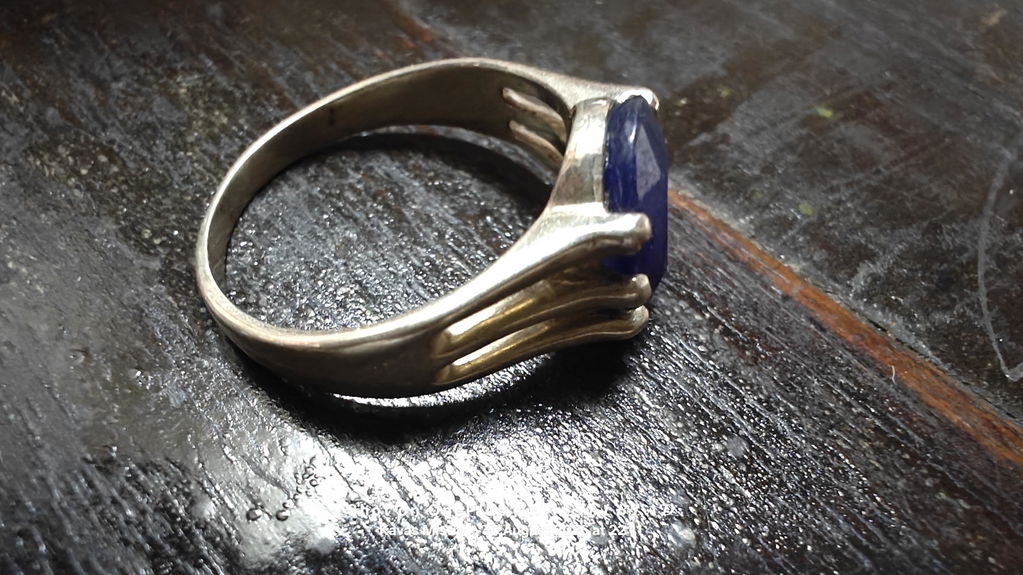
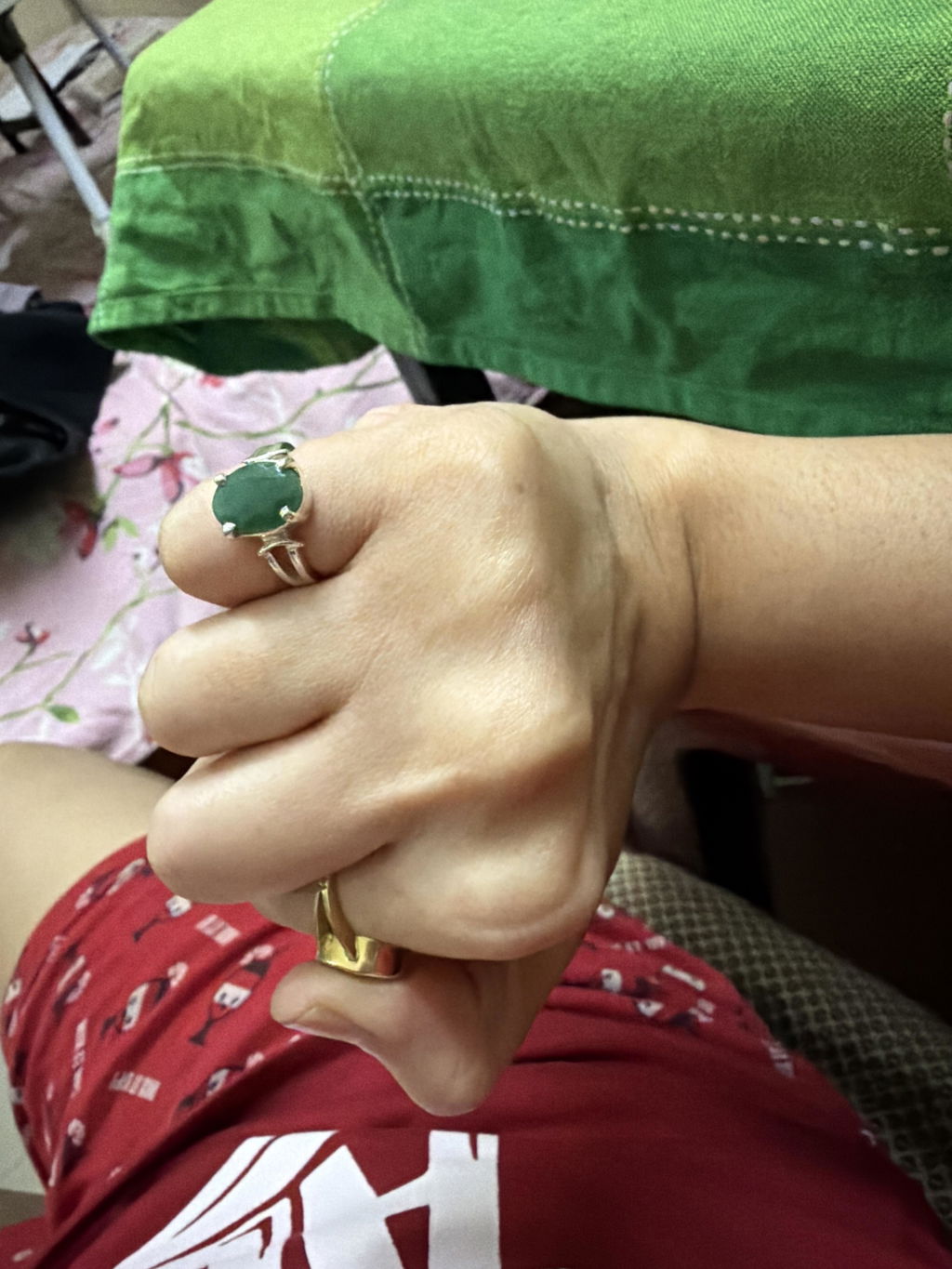
A customer once brought in a Panna ring purchased years earlier from another jeweller and asked our gemologists a simple question: why did the tiny streaks inside the stone seem to glisten differently in sunlight than under a tube light at home. The answer, in most cases, comes down to gemstone treatments, the broad set of processes used to improve a stone's appearance, durability or colour before it ever reaches a jewellery counter. When people talk about gemstone treatments, the conversation almost always turns to heat, since heating is the most widely discussed and most widely accepted treatment for stones like Ruby and Blue Sapphire. But heat is only one part of the picture. Oiling, dyeing, coating, impregnation and diffusion are just as common, and they show up regularly in gemstones favoured for Vedic astrology, including Panna (emerald, ruled by the planet Budh or Mercury), Moonga (red coral) and Firoza (turquoise).
According to Vedic astrology, the stone a person wears matters less for its treatment history and more for whether it is natural, of the correct planetary type, and worn with the right intention and ritual. Even so, a buyer who does not understand oiling, dyeing and the other non-heat treatments is at a disadvantage, because these processes directly affect how a stone is graded, priced and disclosed on a certificate. A natural, untreated emerald can be identified by a gemologist through specific clarity characteristics and a lab report, but very few emeralds on the market are completely untreated, and that is not automatically a problem.
This article explains, in plain language, what oiling and dyeing actually involve, which gemstones they apply to most often, how other treatments such as coating, impregnation and diffusion work, what Vedic tradition says about wearing a treated stone, and how to read a gem lab certificate so that treatment never has to be a mystery again.
What Are Gemstone Treatments and Why Do Natural Gemstones Get Treated
Gemstone treatments are any deliberate process, other than cutting and polishing, applied to a rough or finished stone to change or improve its colour, clarity, durability or overall appearance. Almost every coloured gemstone sold today, whether in India or abroad, has been treated in some way, and the trade considers many of these treatments routine rather than deceptive. The key distinction that matters to a buyer is not whether a stone was treated at all, but which treatment was used, how much it changes the stone, and whether it was disclosed.
Why Treatments Are Part of the Gem Trade
At Myra Gems, our gemologists regularly encounter customers who assume that any mention of treatment means a stone is fake or low quality. In reality, gemstones form deep within the earth over millions of years, under conditions that almost always leave behind fractures, colour zoning or included minerals. A rough emerald from Zambia or Colombia, for instance, will typically have a network of tiny surface-reaching fissures before it is ever cut. Treatments exist because the trade has, over centuries, developed accepted methods to manage these natural characteristics without misrepresenting what the stone fundamentally is.
Jaipur has been one of the world's major centres for gemstone cutting, treatment and trade for generations, and the Gem and Jewellery Export Promotion Council has long tracked how treatment practices are disclosed as part of India's gem export standards. Within this trade, certain treatments, such as light oiling of emeralds, are considered standard practice, while others, such as undisclosed glass filling or heavy dyeing presented as natural colour, are considered unacceptable.
Treated, Untreated and Synthetic: Three Different Things
One of the most common points of confusion our gemologists see at the counter is the difference between a treated gemstone, an untreated gemstone and a synthetic gemstone. These three terms are often used loosely, but they describe very different things, and mixing them up can lead to a buyer either overpaying or feeling misled.
A natural untreated gemstone has undergone no process beyond cutting and polishing. A natural treated gemstone began as a natural mineral but has been enhanced, through oiling, heating, dyeing or another method, to improve its appearance. A synthetic gemstone, by contrast, is grown in a laboratory and was never a natural mineral at all, regardless of whether it has also been treated afterward. For Vedic astrology purposes, the traditional guidance is that the stone should be a natural mineral of the correct type, since the planetary association in classical texts such as the Brihat Parashara Hora Shastra refers to natural stones, not laboratory-grown substitutes. Treatment status and natural origin are evaluated separately, and a stone can be both natural and treated at the same time.
How Common Are Treated Gemstones in the Market
Most coloured gemstones sold today have received at least one treatment beyond cutting and polishing. Industry experience suggests that the overwhelming majority of natural emeralds carry some degree of oiling, and a large proportion of rubies and sapphires on the market have been heat treated at some point before sale. This pattern is not unique to India; it reflects how coloured gemstones are prepared for sale worldwide.
At Myra Gems, our gemologists explain to first-time buyers that asking whether a stone has been treated at all is often less useful than asking which treatment, and to what degree. A stone described simply as natural, with no further detail, has usually still been treated in some way. A buyer is better served by a certificate that names the specific treatment than by a verbal assurance that none exists, and this single shift in how the question is asked often resolves most of the uncertainty buyers feel when shopping for Panna, Moonga, Neelam or any other natural gemstone.
Oiling in Gemstones: What It Means and Why Panna (Emerald) Is Almost Always Oiled
Oiling is the process of filling surface-reaching fractures and fissures in a gemstone with a colourless or lightly tinted oil or resin, most commonly used on emerald, and the great majority of natural emeralds sold anywhere in the world, including Panna sold for astrological use in India, carry some degree of oiling. The oil does not change the fundamental colour of the stone in a significant way when done correctly; instead, it fills tiny channels that would otherwise scatter light and make inclusions more visible, which improves the stone's apparent clarity and brilliance.
How Oiling Works and Which Oils Are Used
Emerald, known in Sanskrit as Panna and associated with the planet Budh, has a specific gravity of roughly 2.67 to 2.78, a refractive index between 1.565 and 1.599, and a Mohs hardness of about 7.5 to 8. Despite this respectable hardness, emerald is one of the most fracture-prone gemstones in regular use, because the same geological conditions that produce its rich green colour, typically in deposits from Colombia, Zambia and Brazil, also leave behind a dense network of internal fractures.
The traditional and most widely accepted oiling method uses cedarwood oil, sometimes called Joban oil in the Jaipur trade when a green-tinted variant is used to mask fractures more aggressively. Cedarwood oil has a refractive index close to that of emerald itself, so when it fills a surface-reaching fracture, the fracture becomes far less visible under normal lighting. A customer looking for a natural Panna for a Mercury-related remedy will often ask our gemologists whether oiling reduces the stone's astrological suitability, and the honest answer is that minor, disclosed oiling with a traditional oil is widely accepted in the trade and does not change the stone's classification as a natural emerald.
Minor Oiling vs Significant Oiling on a Gem Lab Report
Gemologists recommend paying attention to how a lab report describes the degree of oiling, since this is where the real distinction lies. Reputable laboratories such as GRS grade clarity enhancement in emerald on a scale that typically ranges from minor to significant, sometimes written on a report as a clarity enhancement notation alongside the word oil. A report that simply states "natural emerald, minor oil" is describing a stone that has undergone the same kind of treatment that emeralds have received for centuries. A report that states "significant" or "major" oiling, or that notes the use of a hardened resin such as an epoxy-type filler rather than a traditional oil, describes a different and generally less desirable level of treatment, since hardened fillers are considered less reversible and less in keeping with traditional practice.
The most important factor when buying Panna is not whether the stone has been oiled at all, since almost none are completely free of it, but whether the lab certificate states the type and degree of oiling clearly. A stone described only as "emerald" with no treatment field at all on the certificate is a bigger concern than one that openly states "minor oil, cedarwood."
Choose Certified, Lab-Tested Emerald Rings
Every Panna at Myra Gems is accompanied by a certificate from a recognised gemological laboratory that clearly states the stone's natural origin and treatment status. Our gemologists personally inspect each stone before it is set, so that customers know exactly what they are wearing and why.
Explore certified emerald rings
Dyeing in Gemstones: How It Works and How to Spot a Dyed Stone
Dyeing is the introduction of a colouring agent into a gemstone to add a new colour, deepen an existing colour or even out patchy colouring, and it is most commonly applied to porous or fibrous materials such as coral, turquoise, and certain types of pearl rather than to dense crystalline stones like ruby or sapphire. Unlike oiling, which mainly affects clarity, dyeing changes colour directly, which is why disclosure matters even more.
Which Gemstones Are Commonly Dyed
Moonga, or red coral, is an organic gemstone formed from the calcium carbonate skeletons of marine coral colonies, traditionally sourced from the Mediterranean, particularly around Italy, as well as from Japanese and Pacific waters. Coral has a Mohs hardness of only about 3.5 to 4, and its structure includes natural growth bands that can absorb dye readily. Because the desirable deep red colour associated with high-quality Moonga is relatively rare in nature, lower-grade coral is sometimes dyed to achieve a more uniform red, and a customer purchasing Moonga for a Mangal-related remedy should specifically ask whether the stone's colour is natural.
Firoza, or turquoise, is another stone frequently dyed, since its porous structure with a Mohs hardness around 5 to 6 readily absorbs colouring agents, and pale or chalky turquoise is sometimes dyed to a more saturated blue. Certain pearls, known as Moti in Sanskrit and associated with the Moon or Chandra, may also be dyed to achieve colours such as black or deep gold that are uncommon in nature for the species typically used in jewellery.
Why Dyeing Should Always Be Disclosed on a Certificate
The traditional guidance among gemologists is straightforward: dyeing is not inherently a problem, but undisclosed dyeing is. A natural, untreated coral can be identified by gemologists through its characteristic growth-line patterns under magnification, its response to certain light sources, and its consistent colour even in tiny surface scratches, since dye applied to the surface often does not penetrate evenly into fresh breaks or scratches.
A short, simple way to think about this: dyeing changes how a stone looks, oiling changes how clear a stone appears, and both should be written down on the same certificate that confirms the stone is natural. Buyers should never need to guess which treatments a coloured gemstone has received. Reputable laboratories such as GIA, IGI and GRS use standard terminology for dyeing on their reports, and a seller who cannot produce a certificate mentioning treatment status for a brightly coloured coral or turquoise piece is asking the buyer to take that information on faith alone.
Gemstone Treatments Beyond Heat: Coating, Impregnation and Diffusion Explained
Beyond heating, oiling and dyeing, three other treatments appear regularly in the coloured gemstone trade: coating, impregnation and diffusion, and each works differently depending on the stone's structure. Coating applies a thin layer or film to the surface of a stone to add colour or shine, impregnation fills the pores of a soft or porous stone with wax, resin or plastic to improve its durability and appearance, and diffusion introduces colouring elements into the outer layer of a stone using heat and chemicals together.
Diffusion Treatment in Sapphires (Neelam and Pukhraj)
Diffusion treatment is most relevant to corundum gemstones, which include Neelam (blue sapphire, ruled by Shani or Saturn) and Pukhraj (yellow sapphire, ruled by Guru or Jupiter). Corundum has a Mohs hardness of 9, among the hardest natural materials used in jewellery, which makes it an ideal candidate for diffusion since it can withstand the very high temperatures the process requires. In diffusion treatment, a sapphire is heated to extreme temperatures in the presence of elements such as beryllium or titanium, which migrate into the outer layers of the stone and alter its colour, sometimes quite dramatically.
The traditional view among gemologists is that diffusion-treated stones represent a significantly different category from heat-treated stones without added elements, since the colour change in diffusion can be far more extensive and, in some cases, only penetrates a thin surface layer. Detecting beryllium diffusion specifically requires advanced laboratory equipment such as LA-ICP-MS analysis, which is well beyond what any buyer or even most local jewellers can perform, which is exactly why a certificate from a laboratory equipped to test for diffusion matters for stones like Neelam and Pukhraj that are bought specifically for their planetary association with Shani and Guru.
Wax, Resin and Impregnation in Turquoise (Firoza) and Coral
Firoza, sourced historically from regions including Iran and parts of Central Asia, is naturally porous, and untreated turquoise can absorb oils, perfumes and even skin moisture over time, which gradually changes its colour. To address this, much of the turquoise sold commercially, including stabilised Firoza used in astrological jewellery, is impregnated with a colourless wax or resin that fills the pores and protects the stone's surface without necessarily changing its colour. This is different from dyeing, which adds colour, though the two treatments are sometimes combined.
Coral may also be lightly waxed to enhance its natural shine, a practice that has been part of coral finishing for a very long time and is generally considered a normal part of the stone's preparation rather than a significant alteration. The line between an acceptable stabilising treatment and a treatment that misrepresents the stone usually comes down to degree and disclosure, the same principle that runs through every category of gemstone treatment discussed in this article.
For a closer look at how heat specifically affects gemstones used in Vedic astrology, our earlier guide on heated versus unheated gemstones covers that treatment in detail and pairs well with the non-heat treatments discussed here.
For personalised guidance on which treatments are acceptable for the specific gemstone and planetary remedy you are considering, our team is happy to help.
Get free gemstone guidance from our experts
Do Gemstone Treatments Affect a Stone's Use in Vedic Astrology
In Vedic astrology, the suitability of a gemstone for a planetary remedy depends primarily on the stone being a natural mineral of the correct type, of reasonable quality, and worn according to traditional guidelines regarding finger, metal, day and time, rather than on whether it has received a commonly accepted treatment such as minor oiling. That said, astrologers and gemologists alike generally draw a line between treatments that are considered part of a stone's normal preparation and treatments that substantially alter what the stone fundamentally is.
What Vedic Tradition Says About Wearing Treated Gemstones
Classical Indian gemological texts, including the Ratnapariksha, focus heavily on distinguishing genuine gemstones from imitations and describe methods for assessing a stone's quality, colour and clarity long before modern laboratory equipment existed. These texts do not specifically anticipate practices like resin impregnation or beryllium diffusion, simply because those methods did not exist at the time, but the underlying principle they establish, that a stone's genuineness and quality should be verifiable, remains the standard that modern certification aims to meet.
According to Vedic astrology as practiced by astrologers our customers consult, a Panna that has received the kind of minor cedarwood oiling typical of the trade is still considered a genuine, natural emerald suitable for a Mercury remedy, since the oiling does not change the stone's mineral identity. A heavily dyed coral or a diffusion-treated sapphire presents a different question, since these treatments more substantially change the stone's appearance from its natural state, and many astrologers prefer their clients to avoid such heavily treated stones for important remedial purposes, opting instead for natural stones with only minor, traditional treatments.
Ratti Weight, Purity and Planetary Remedies
A point that often comes up at the Myra Gems counter is whether a larger ratti weight can compensate for a lower-quality or more heavily treated stone when it comes to astrological effectiveness. The traditional guidance separates these two considerations. Ratti weight, the traditional Indian unit of gemstone weight equal to roughly 0.91 carats, relates to the prescribed size for a remedy based on an individual's horoscope, while purity and treatment status relate to whether the stone is an appropriate, genuine representative of its planetary category at all. A large stone that is heavily treated or of doubtful natural origin is generally considered less suitable than a smaller, genuinely natural stone with only minor, traditional treatment, even though both considerations matter together in practice.
This is also why our gemologists encourage customers not to choose a gemstone purely by size. A modest Neelam with a clean certificate stating natural, minor treatment only is, from a traditional standpoint, a more dependable choice for a Saturn remedy than a larger stone whose treatment history is unclear.
Gemstone Treatments and What They Mean for Price and Resale Value
The degree and type of treatment a gemstone has received is one of the primary factors that determines its price within a given size and colour category, often more significant than small differences in carat weight. Two emeralds of similar size and colour can differ substantially in price depending on whether one is untreated or minimally oiled and the other has received significant oiling with a hardened resin filler.
How Treatment Status Affects What You Pay
For most coloured gemstones used in Indian jewellery, the price hierarchy generally runs from completely untreated stones at the top, through minimally and traditionally treated stones, down to heavily treated or stabilised stones at the lower end, with synthetic stones, which are not natural at all, priced separately and typically much lower than even heavily treated natural stones of comparable appearance.
It is worth being clear that a heavily treated natural stone is still a natural stone, just one whose appearance has been substantially altered, and it occupies a different price tier than an untreated stone of similar visual quality. Buyers sometimes assume that any natural stone within their budget must therefore be lightly treated, which is not a safe assumption without a certificate confirming treatment status.
Treatment Disclosure Matters for Resale Too
Treatment status is not only relevant at the time of purchase. If a gemstone is ever resold, gifted within the family, or brought in for re-setting years later, the original certificate becomes the easiest way to confirm what was bought in the first place. Over the years, our gemologists have re-examined many older pieces where the original paperwork was lost, and in those cases, establishing treatment status again requires a fresh laboratory assessment, which takes time and cost that could have been avoided.
For this reason, we recommend treating a gemstone's certificate as part of the jewellery itself, stored together rather than separately, and passed on alongside the piece if it is ever gifted or inherited. A certificate that clearly states natural origin and treatment status at the time of purchase remains useful for as long as the stone is owned.
What This Means When Comparing Two Similar-Looking Stones
Treatment comparison for buyers
Quick Answer
Best choice for most buyers: a natural gemstone with minor, traditionally accepted treatment, confirmed by a recognised lab certificate stating the treatment type and degree
Untreated natural stone
Highest price tier, rare for emerald, more common for some sapphires and garnets
Naturally treated (minor oiling, light impregnation)
Standard trade quality, widely accepted for astrological use when disclosed
Significantly treated (heavy oiling, dyeing, diffusion)
Lower price tier, appearance substantially altered, disclosure especially important
Synthetic or lab-grown
Not a natural mineral regardless of treatment, generally not used for traditional Vedic remedies
This table is a general guide rather than a pricing formula, since factors such as colour saturation, origin and cut also influence price within each treatment category. The takeaway for a buyer is that two stones that look similar in a photograph can sit in very different price tiers once their treatment status is accounted for, which is exactly why the certificate matters more than the photograph.
How to Read a Gem Lab Certificate for Gemstone Treatment Disclosures
A gem lab certificate from a recognised laboratory such as GIA, IGI or GRS typically includes a field labelled treatment or comments that states, in standardised language, whether and how a stone has been treated, and learning to read this single field is the most useful skill a gemstone buyer can develop. The certificate should also confirm the stone's species, such as natural beryl for emerald, and often its geographic origin where determinable.
Common Treatment Terms Explained
A report that reads "natural, no indications of clarity enhancement" describes a stone with no detectable oiling or filling, which is unusual for emerald specifically. A report that reads "natural, minor oil" or "natural, insignificant clarity enhancement" describes the most common category for Panna and is generally considered acceptable for traditional use. A report that reads "natural, significant clarity enhancement" or names a specific resin filler indicates a more heavily treated stone. For coloured stones other than emerald, terms such as "heated," "unheated," "dyed" or "impregnated" appear in similar treatment fields, and the absence of any treatment field at all, rather than a field that says "none," is itself something to ask about.
For a broader look at how certification works for gemstones sold in India, including which bodies are most commonly used and what their certificates typically cover, our guide to certified gemstones in India goes into more detail and complements the treatment-specific information here.
Red Flags When a Seller Avoids Talking About Treatment
A seller who responds vaguely when asked directly whether a stone has been oiled, dyed, or otherwise treated, or who insists that a brightly coloured coral or turquoise piece is "completely natural" with no certificate to support that claim, is giving a buyer useful information, even if unintentionally. The most reliable response from a legitimate seller is a straightforward answer plus a certificate that states the treatment in writing, since reputable laboratories use this terminology specifically so that buyers do not have to rely on a seller's verbal assurance.
At Myra Gems, Trusted for Over 30 Years
With more than three decades of experience and over 30,000 customers guided to the right gemstone, Myra Gems provides certified, treatment-disclosed natural gemstones for every major planetary remedy.
Browse all certified gemstone jewellery
What to Know Before Buying Treated or Untreated Gemstones: Advice from Myra Gems' Gemologists
Our gemologists, drawing on more than 30 years of handling natural gemstones sourced from Jaipur, Sri Lanka, Zambia, Colombia and beyond, have put together the practical points that come up most often when customers ask about gemstone treatments.
Always ask for the treatment field on the certificate specifically, not just confirmation that a certificate exists. A certificate can confirm a stone is natural while still describing a significant level of treatment, and both pieces of information matter for different reasons.
Treat the word "natural" and the word "untreated" as two separate claims. A stone can be natural and treated at the same time, and in fact most are. Only a certificate that explicitly addresses both points tells the full story.
For Panna bought for a Mercury remedy, expect to see "minor oil" on the certificate. In our experience, customers who are told a Panna has "no oil at all" should ask which laboratory issued that opinion, since this is an unusual finding for emerald and worth verifying.
For Moonga, ask specifically about colour treatment rather than just clarity treatment, since coral's main treatment concern is dyeing rather than oiling. A natural Moonga of genuinely deep red colour without dye is less common, and more valuable, than its dyed counterparts.
For Neelam and Pukhraj bought specifically for Shani or Guru remedies, ask whether the laboratory tested for diffusion, particularly if the colour is unusually vivid for the price. Standard heat treatment and diffusion treatment are different things and should be distinguished on the report.
If a stone is being purchased primarily for its astrological role rather than its appearance, prioritise a clean treatment disclosure over a slightly larger size or a marginally deeper colour. A smaller stone with a clear "natural, minor treatment" certificate is, from a traditional standpoint, a more dependable choice than a larger stone of uncertain treatment history.
Keep the certificate with the jewellery, not separately at home. Over the years, our gemologists have seen many customers return for a re-evaluation or resale only to find the original certificate has been misplaced, which makes verifying the stone's history considerably harder.
Frequently Asked Questions About Gemstone Treatments
Q: What is the difference between a gemstone treatment and a gemstone enhancement?
A: In practice, the two terms are used interchangeably in the gem trade, and both refer to any process beyond cutting and polishing that changes a stone's appearance, durability or colour. Oiling, dyeing, heating, coating, impregnation and diffusion are all examples of gemstone treatments or enhancements. The terms do not imply that a stone is fake, since the underlying material in a treated gemstone is still the natural mineral it was before treatment, unless the certificate specifically states the stone is synthetic or imitation.
Q: Is oiling in an emerald (Panna) considered acceptable for astrological use?
A: Yes, minor oiling with a traditional oil such as cedarwood is widely accepted as standard practice for natural emeralds and does not change a stone's classification as natural Panna. The traditional guidance is that this level of treatment does not interfere with the stone's suitability for a Mercury remedy. What matters is that the treatment is disclosed on the certificate as minor, since significant oiling or the use of hardened resin fillers represents a different and more heavily altered category of stone.
Q: How can I tell if a coral (Moonga) or turquoise (Firoza) has been dyed?
A: The most reliable way is a laboratory certificate that specifically addresses colour treatment, since visual inspection alone is not dependable even for trained eyes in many cases. A natural, untreated coral can show consistent colour even in fresh scratches and breaks, while dye sometimes sits unevenly at the surface, but confirming this reliably requires magnification and experience. Gemologists recommend requesting a certificate that addresses dyeing specifically for any brightly coloured coral or turquoise piece before purchase.
Q: Does a treated gemstone still work for Vedic astrology remedies?
A: A natural gemstone with a minor, traditionally accepted treatment, such as light oiling in emerald, is generally considered suitable for Vedic astrology remedies according to the astrologers our customers consult. The traditional view places more importance on the stone being a genuine natural mineral of the correct planetary type than on the presence of a minor, disclosed treatment. Heavily treated stones, such as significantly dyed coral or diffusion-treated sapphire, are viewed differently by many astrologers, who often prefer clients use stones with only minor treatment for important remedial purposes.
Q: What does "minor oil" mean on a gemstone certificate?
A: "Minor oil" means the laboratory detected a small amount of oil, typically a traditional oil such as cedarwood, filling some of the stone's surface-reaching fractures, with limited impact on the stone's overall appearance. This is the most common finding for natural emerald and is considered standard trade practice rather than a significant alteration. It is different from "significant" or "major" oiling, which describes a stone where a much larger proportion of fractures have been filled, often noticeably affecting how clear the stone appears.
Q: Is it safe to buy a gemstone online without seeing a treatment report first?
A: It is safer to confirm that a treatment report will be provided before completing a purchase, whether the transaction happens online or in person. A reputable seller should be able to share certificate details, including the treatment field, before the sale is finalised, not only after the stone arrives. At Myra Gems, every gemstone is sold with a certificate from a recognised laboratory that includes treatment information, so customers know exactly what they are receiving before it ships.
Q: How much does gemstone treatment affect the price of a stone?
A: Treatment status is one of the most significant factors affecting price within a given size and colour category, often more influential than small differences in carat weight. A natural stone with only minor, traditional treatment generally commands a higher price than a similarly sized and coloured stone with significant treatment, such as heavy oiling, dyeing or diffusion. Two stones that look nearly identical in a photograph can therefore differ considerably in price once their treatment status is taken into account.
Q: What is diffusion treatment and which gemstones commonly use it?
A: Diffusion treatment introduces colouring elements, such as beryllium or titanium, into the outer layer of a gemstone using extreme heat, most commonly applied to corundum gemstones including blue sapphire (Neelam) and yellow sapphire (Pukhraj). The treatment can produce a more dramatic colour change than standard heating alone and, in some cases, affects only a thin surface layer of the stone. Detecting diffusion, particularly beryllium diffusion, requires specialised laboratory equipment, which is why a certificate from a laboratory equipped to test for it matters for sapphires bought for Shani or Guru remedies.
Q: Where can I buy certified natural gemstones in India with clear treatment disclosure?
A: Myra Gems provides certified natural gemstones, including Panna, Moonga, Neelam, Pukhraj and others, with lab certificates that clearly state both natural origin and treatment status. With more than 30 years of sourcing experience and over 30,000 customers guided to the right stone, our in-house gemology team personally reviews each certificate before a stone is set into jewellery. Buyers anywhere in India can review these certificates as part of the purchase, rather than relying on verbal assurances about a stone's history.
Q: Can a dyed gemstone fade or change colour over time, and can it be re-dyed?
A: Yes, dye in a gemstone can fade with prolonged exposure to sunlight, heat, or harsh chemicals, particularly in porous materials like coral and turquoise, and in some cases a faded dyed stone can be re-dyed, though this is generally considered an additional treatment that should also be disclosed if the stone is later resold. This is one reason gemologists recommend keeping treated stones, especially dyed ones, away from direct sunlight for extended periods and away from perfumes, lotions and cleaning chemicals. A natural, untreated stone of the same type does not carry this risk, since there is no dye to fade in the first place.
Choosing the Right Treated or Untreated Gemstone with Myra Gems
Gemstone treatments, from the oiling found in nearly every natural emerald to the dyeing sometimes applied to coral, turquoise and pearl, are a normal and longstanding part of how coloured gemstones are prepared for the market, and understanding them takes away much of the uncertainty that buyers often feel. The distinction that actually matters is not whether a stone has been treated, since almost all have been in some form, but whether the treatment is minor and traditionally accepted, clearly disclosed on a certificate from a recognised laboratory, and appropriate for the stone's intended use, whether that use is primarily decorative or specifically for a Vedic astrology remedy.
For Panna, expect minor oiling and look for it stated clearly. For Moonga and Firoza, ask specifically about colour treatment. For Neelam and Pukhraj, confirm whether diffusion was tested for alongside standard heat treatment. In each case, a clean, specific certificate is worth more than a stone that simply looks impressive in a photograph. The information in this article is for educational purposes, and anyone selecting a gemstone for a planetary remedy should consult a qualified Vedic astrologer to confirm the right stone, weight and timing for their individual horoscope.
At Myra Gems, our gemology team is available to walk through any certificate, explain any treatment terminology, and help match a natural, properly disclosed gemstone to your needs, whether you are exploring options for the first time or adding to a collection built over years.
Explore Myra Gems' full collection of natural gemstone rings