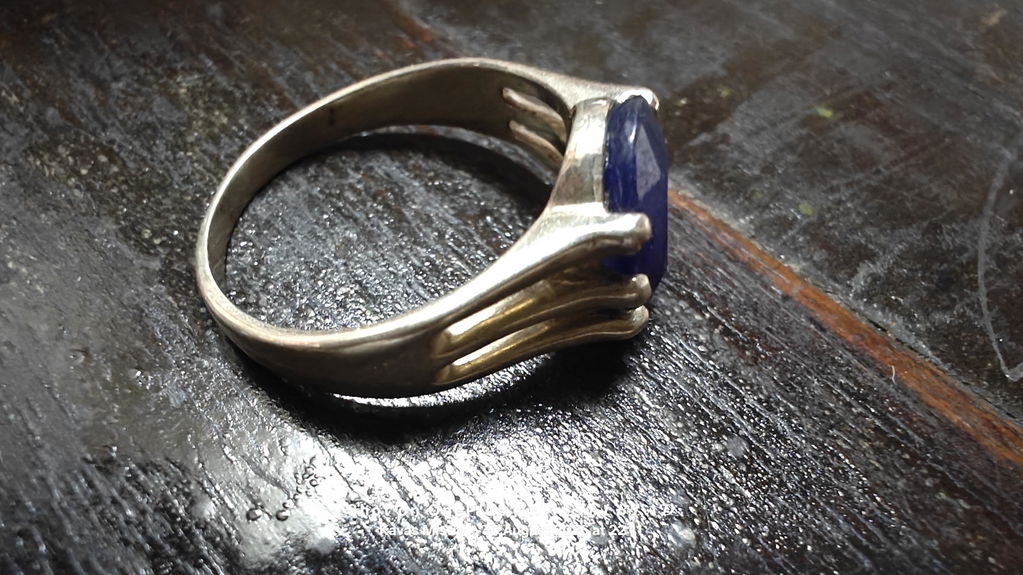
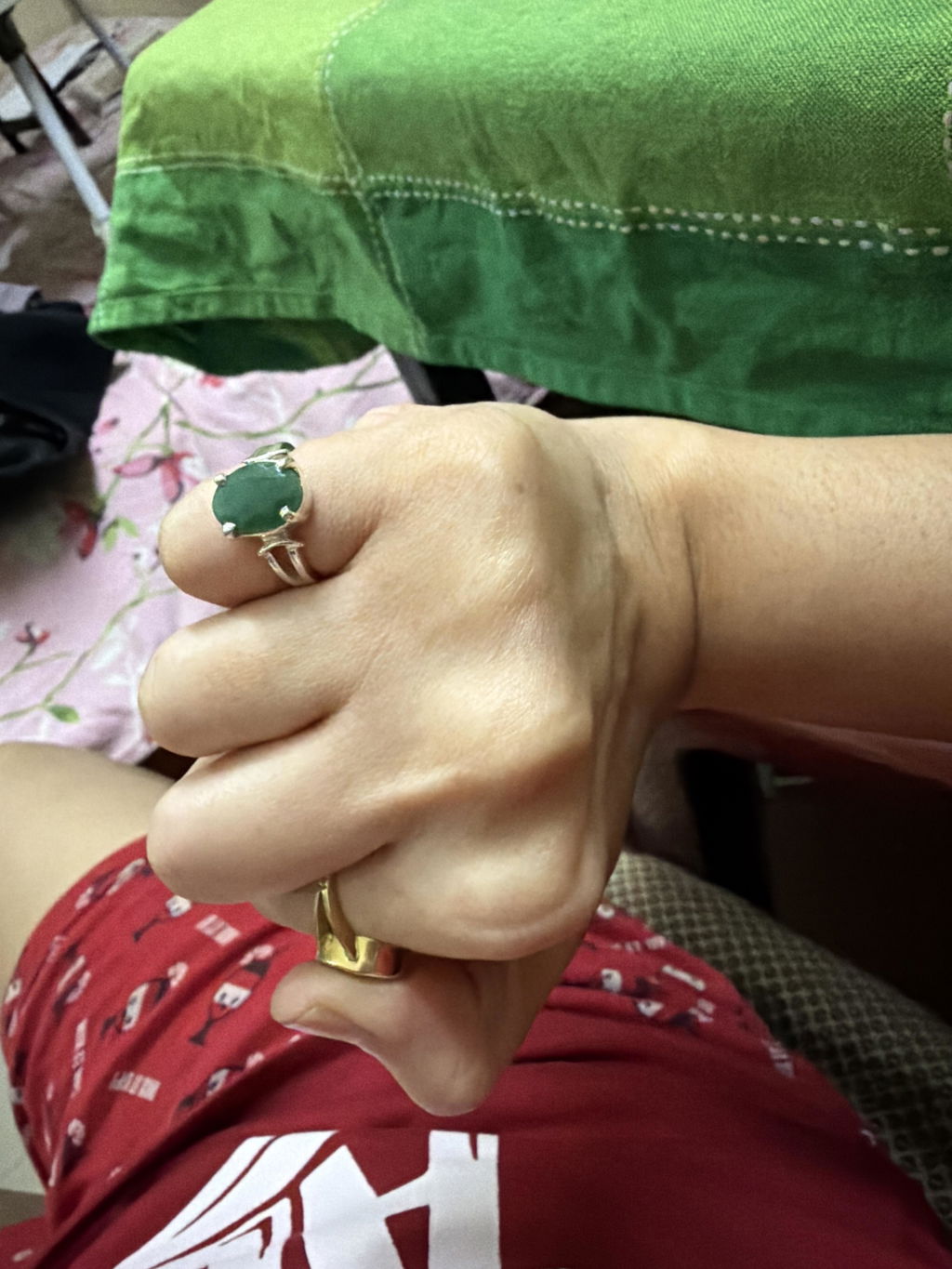
Walk into any jewellery market in India today and you will find two kinds of gemstone ring buyers standing side by side. The first arrives with a birth chart in hand, a specific rashi, a prescribed stone, and a clear planetary rationale. The second arrives with a colour in mind, an occasion coming up, or a piece of natural beauty they simply want to own. Both leave with a gemstone ring. Both are making a considered, personal decision. And both are more than valid.
People wear gemstone rings without believing in astrology for five core reasons: personal colour identity, emotional milestone marking, gifting traditions, the appeal of certified natural materials, and contemporary style. None of these requires a birth chart. All of them reflect a genuine relationship with stone.
India's Vedic tradition is the oldest and most detailed astrological framework for gemstone selection in the world. According to Vedic astrology, each of the Navaratna corresponds to one of the nine planetary bodies: Neelam to Shani, Manik to Surya, Pukhraj to Guru, Panna to Budh, Moti to Chandra, Moonga to Mangal, among others. Classical texts including the Brihat Parashara Hora Shastra formalised these associations over two thousand years ago and they remain the foundation of astrological gemstone prescription in India today.
But Vedic tradition never claimed exclusive ownership of gemstones. Long before astrology formalised its relationships with stones, they were worn as markers of identity, wealth, beauty, and personal significance across every culture in which they appeared. That older, broader motivation is very much alive in India right now, and it is growing.
This article is for anyone who wants to understand why gemstone rings hold meaning even outside astrological belief, what drives those choices, and how to make a well-informed purchase when a birth chart is not part of the equation.
The Real Reasons People Wear Gemstone Rings Without Astrology
People wear gemstone rings for non-astrological reasons that include personal colour preference, emotional significance, gifting traditions, investment in natural materials, and contemporary style. These motivations exist alongside astrological practice without contradicting it. At Myra Gems, our gemologists speak with buyers across this entire spectrum every day, and the non-astrological segment has grown steadily over the past decade.
Why Colour Is the Single Most Common Entry Point for Non-Astrological Buyers
Colour is the most immediate reason most non-astrological buyers choose a stone. A deep blue sapphire reads differently from a warm golden topaz. A vivid Manik sends a different signal from a soft amethyst. These are not arbitrary preferences. They are responses to colour's real psychological weight, and they are consistent enough across buyers that our gemologists can often predict which stone a customer will gravitate toward before they have seen the tray.
Buyers between 25 and 40 increasingly arrive at Myra Gems knowing the colour they want before they know which stone they want. A woman who dresses in cool, muted tones gravitates toward Neelam or amethyst. A man who favours earthy, grounded aesthetics moves toward garnet or cat's eye. The stone follows the colour identity, not the other way around.
This is a meaningful shift. For decades, the dominant framework in India was astrological first: find the right stone, then learn to love it. Now colour preference is often the entry point, and the stone's gemological identity comes second. The two paths lead to the same purchase, but the motivation is entirely different.
How to Choose Colour for Non-Astrological Gemstone Rings
These are the practical observations our gemologists share with buyers who are choosing by colour rather than planetary assignment.
Blue stones, particularly Neelam, suit silver settings and cooler skin tones. They read as composed, authoritative, and refined in professional contexts.
Green stones, particularly Panna, carry depth and visual complexity from the characteristic jardin inclusions that distinguish natural emeralds from synthetic alternatives. They suit both silver and gold and read as deliberate rather than decorative.
Red and pink stones, particularly Manik, carry warmth and intensity. Yellow gold amplifies that warmth. They perform strongly as occasion pieces and anniversary rings.
Purple and violet stones, particularly amethyst, offer the strongest accessible colour beauty at a price point suited to a first serious gemstone ring.
Explore natural gemstone rings for men and women in silver and gold settings
Browse the full gemstone ring collection at Myra Gems
Myra Gems sources and certifies every stone before it reaches a customer. Whether you are buying for colour, occasion, or personal meaning, the stone you receive carries a third-party certificate confirming it is natural and accurately represented.
Milestone Rings and the Personal Rituals That Drive Non-Astrological Gemstone Purchases
A natural gemstone ring is one of the most durable, personal, and culturally legible ways to mark a significant moment. It does not require astrology to carry weight. Career breakthroughs, a first year in a new city, a decade of friendship, personal recovery from difficulty, these are the occasions behind a growing category of gemstone ring purchases that have nothing to do with planetary prescription.
Why Gemstone Rings Work as Emotional Anchors
Milestone rings are chosen deliberately. They are worn with awareness of what they represent. And because natural gemstones have a Mohs hardness of 7 or above for the most commonly worn stones, they are kept for decades without degradation.
The psychology behind this is consistent. An object that marks a specific moment, particularly one made from a natural material with its own geological story of formation over millions of years, becomes a durable record of that moment. A ring set with a natural, untreated Panna from Zambia or a Manik from Mozambique is not just jewellery. It is a made-permanent version of something the wearer decided mattered.
Birthstone traditions, both Western calendar-based and loosely Vedic, also drive gifting decisions for buyers who are blending frameworks or simply following what resonates personally. Neither framework requires deep belief to function as a meaningful selection tool.
Heirloom Thinking: Gemstone Rings as a Legacy Investment
Natural gemstones, properly cared for, outlast their owners. A Manik set in gold does not degrade over decades. A natural Neelam purchased today can be passed to the next generation in the same condition it was acquired in. This durability makes gemstone rings an increasingly considered vehicle for legacy gifting among buyers between 35 and 55, particularly those not astrologically motivated but looking to give something genuinely lasting.
Heirloom thinking leads buyers directly toward high-quality, certified natural stones. A stone with IGI or GRS documentation specifying origin and treatment status holds its verifiable identity across generations in a way an uncertified stone cannot. Gemologists recommend always insisting on a lab certificate when a gemstone is being purchased as a lasting piece, regardless of whether the motivation is astrological or personal.
The most important factor when buying a gemstone ring for heirloom purposes is the authenticity and treatment status of the stone. A natural, untreated ruby can be identified by its IGI or GRS certificate, which will state both country of origin and whether heat treatment or other enhancement has been applied. This single document separates a stone that holds its value and identity over generations from one that does not.
Gemstone Rings as a Style Statement: How India's Non-Astrological Buyer Has Evolved
Gemstone rings are now a mainstream style choice in India, not only a ritualistic one. Coloured stones have entered everyday wardrobes alongside diamonds, driven by global fashion direction, social media visibility, and buyers who want something distinctive over something conventional. At Myra Gems, we have observed this shift directly: the share of customers arriving with a style reference rather than a birth chart has grown substantially since 2018, and these buyers are often among the most deliberate and informed we speak with.
How Cut and Colour Quality Work for Style-Oriented Buyers
The most important factor when buying a gemstone for style purposes is cut quality and how the colour reads in natural light. A well-cut natural Manik from Jaipur's gem cutting trade will consistently outperform a poorly cut stone of higher ratti weight when worn in daylight or room lighting. This matters because many buyers coming from a style perspective are unfamiliar with how strongly lighting conditions affect gemstone colour.
A Neelam that looks vivid under jewellery store display lighting but turns grey or inky outdoors is not serving the buyer well. Viewing any stone in natural daylight before purchase is the single most practical step that applies to all style buyers regardless of which stone they are considering.
Building a Gemstone Ring Rotation: The New Style Logic
Many style-oriented buyers are not purchasing a single ring to wear permanently. They are building a small rotation, much the way they might rotate watches or earrings across the week. A Jamunia ring for office wear. A Moonga ring for festivals. A garnet ring for winter months. This curation is deliberate and season-aware, with no astrological dimension.
Traditional astrological rings are worn continuously, in keeping with the practice of maintaining uninterrupted contact with the stone. Style buyers operate from a different logic entirely, and their requirements from a setting durability, stone hardness, and design perspective differ accordingly. Stones of Mohs 7 and above, including Neelam, Manik, Panna, and yellow sapphire, are well suited to daily rotation wear. Softer stones like opal and pearl require more careful handling in rings worn frequently.
What the Silver vs Gold Decision Actually Comes Down to
For astrological rings, the metal is prescribed alongside the stone. Neelam is traditionally set in silver or panchdhatu, Pukhraj in gold. Style buyers have more freedom, and many use it well.
Silver settings suit cooler stones: Neelam, amethyst, turquoise, and Lehsunia. Yellow gold brings out warmth in Manik, Moonga, and golden topaz. These are not rules. They are practical observations from gemologists who see thousands of rings across different skin tones and light conditions each year. Rose gold has emerged as a strong choice for Moti and softer pink stones among buyers under 35.
Silver Setting
Yellow Gold Setting
Quick Answer
Best for cool-toned stones and everyday versatility
Best for warm-toned stones and occasion pieces
Best stone matches
Neelam, amethyst, turquoise, Lehsunia
Manik, Moonga, Pukhraj, golden topaz
Skin tone performance
Suits medium to fair skin tones
Suits all skin tones, particularly warmer ones
Style register
Contemporary, understated, office-ready
Traditional, festive, high-impact
Price band at Myra Gems
Generally accessible entry range
Varies by gold weight and stone grade
Certification requirement
IGI or GII for natural stones
IGI or GRS for natural unheated stones
Not sure where to begin?
Visit our Gemstone Guidance page for personalised stone recommendations
Our gemologists are available for a video consultation to help you find the right stone for your colour preference, occasion, or style intent, with no birth chart required.
The Emotional Meaning Behind Gemstones That Works Without Astrological Belief
Gemstone rings carry emotional weight for many buyers even without astrological belief, because the stones have accumulated centuries of symbolic association that operates independently of any single tradition. A buyer who does not follow Vedic astrology may still feel that a green Panna represents growth, or that a red Manik carries warmth and confidence. These associations are real and consistent across cultures because they are grounded in colour psychology, not only in planetary assignment.
How Vedic Symbolism and Personal Meaning Overlap
The Brihat Parashara Hora Shastra associates each Navaratna stone with specific qualities through its corresponding planetary energy: Shani with discipline and perseverance, Surya with confidence and leadership, Guru with wisdom and abundance. These qualities are not arbitrary. They align closely with what many non-astrological buyers intuitively associate with those same colours.
Deep blue is consistently associated with calm, focus, and steadiness. Rich green with renewal and balance. Red with energy and confidence. A buyer who chooses a Neelam ring because blue feels right for a period of professional transition is, without realising it, landing on the same intuitive logic that Vedic tradition formalised centuries ago. The traditional guidance is that a gemstone should feel right to the wearer, and that principle holds across both Vedic practice and contemporary personal buying psychology.
This is Myra Gems' most consistent observation across 30+ years and 30,000+ customers: astrological and non-astrological buyers who choose stones carefully, based on genuine personal resonance, tend to form the same lasting relationships with their rings. The stone that is right for you tends to feel right, whatever framework you are using to evaluate it.
Why Gemstone Gifting Works Even Without a Birth Chart
For gifting purposes, the emotional meaning of the stone matters more than its astrological properties. A grandmother gifting a Moti ring to her granddaughter may intend it as a symbol of grace. A friend gifting garnet for a new year is expressing warmth and loyalty. These are not astrological motivations. They are human ones, and they are sufficient.
At Myra Gems, when a customer is buying a gemstone ring as a gift, our gemologists ask one question first: what do you want this ring to say? That question has nothing to do with birth charts. It has everything to do with the relationship between giver and recipient.
The most commonly gifted stones at Myra Gems by non-astrological buyers are emerald (for milestone and career occasions), pearl (for grace and femininity), blue sapphire (for professional acknowledgment), and amethyst (as a first serious gemstone ring). Garnet and golden topaz are frequently chosen for their warmth and cultural resonance around the winter festival season.
Which Gemstone Rings Are Most Popular Among Non-Astrological Buyers?
Among buyers not guided by astrology, the most consistently popular choices at Myra Gems are emerald, blue sapphire, ruby, and amethyst, driven by colour appeal, cultural recognition, and the perceived distinctiveness of each stone. The table below summarises what typically draws non-astrological buyers to each stone and what to consider before purchasing.
Emerald (Panna)
Blue Sapphire (Neelam)
Ruby (Manik)
Amethyst (Jamunia)
Quick Answer
Best for bold colour with legacy value
Best for cool, refined daily wear
Best for warm, high-impact occasion pieces
Best for accessible colour beauty in silver
Sanskrit Name
Panna
Neelam
Manik
Jamunia
Mohs Hardness
7.5 to 8
9
9
7
Refractive Index
1.57 to 1.58
1.76 to 1.77
1.76 to 1.77
1.54 to 1.55
Typical Setting
Gold
Silver or gold
Yellow gold
Silver
Primary Appeal
Depth, rarity, prestige
Versatility, colour range
Warmth, intensity, cultural weight
Affordability, modern aesthetic
Common Occasion
Milestone, legacy gift
Daily wear, professional contexts
Weddings, anniversaries, gifting
First gemstone ring, office wear
Certification
IGI or GRS
IGI or GRS
IGI or GRS
IGI
Key Sourcing Origins
Colombia, Zambia
Sri Lanka (Ceylon), Burma
Mozambique, Myanmar
Brazil, Uruguay
Is Emerald the Right Non-Astrological Choice?
Emerald, known as Panna, is the stone most commonly chosen by buyers making a purely aesthetic decision. The colour, a saturated green with the characteristic internal garden of natural inclusions known in the trade as jardin, is unlike anything in synthetic or costume jewellery. A natural Panna from Colombia or Zambia has a visual depth that reads clearly even to buyers with no gemological background.
From a gemological standpoint, natural emeralds have a refractive index of approximately 1.57 to 1.58 and a specific gravity of around 2.71. Their jardin inclusions are markers of authenticity in a fine natural stone, not defects. An eye-clean natural emerald of meaningful size is among the rarest and most sought-after stones in the Indian gem trade, and buyers choosing for legacy or milestone gifting consistently rank it their first choice for that reason.
Is Blue Sapphire the Right Non-Astrological Choice?
Blue sapphire, known as Neelam and governed by Shani in Vedic astrology, crosses the astrological and non-astrological divide more consistently than almost any other stone in our range. Its colour range, from pale cornflower to deep midnight blue, offers options across different skin tones, preferences, and wardrobes. Ceylon blue sapphires from Sri Lanka are among the most sought-after in the trade for their clarity and colour consistency. In Vedic astrology, Neelam is traditionally associated with discipline, focus, and clarity of mind through Shani's influence.
For style buyers, the single most practical test before purchasing a Neelam is to view it in natural daylight. A stone that greys out or turns inky outdoors will not perform well as a daily-wear ring regardless of how it looks under store lighting.
Is Ruby the Right Non-Astrological Choice?
Ruby, known as Manik and governed by Surya in Vedic astrology, is one of the most culturally recognisable gemstones in India. Non-astrological buyers choose Manik rings most often for weddings, anniversaries, and significant personal milestones. The warmth and intensity of the colour carries its own meaning independent of any astrological framework.
Natural rubies have a Mohs hardness of 9, making them among the most durable coloured stones available for ring wear. Natural unheated rubies from Myanmar command the highest premiums in the trade. An IGI-certified natural Manik gives buyers confidence in their purchase regardless of whether the motivation is personal, stylistic, or astrological. According to Vedic astrology, Manik is traditionally associated with confidence, leadership, and the energy of Surya.
Is Amethyst the Right Non-Astrological Choice?
Amethyst, known as Jamunia, is the most accessible entry point into the world of natural coloured gemstone rings. Its purple to violet colour range, a refractive index of approximately 1.54 to 1.55, and a Mohs hardness of 7 make it a capable daily wear stone in silver settings for buyers buying colour beauty at a considered but not premium price point.
For buyers purchasing their first natural gemstone ring without an astrological purpose, Jamunia in a well-designed silver setting from Myra Gems' amethyst ring collection represents the strongest combination of colour impact, durability, and price accessibility in the range.
How to Choose a Gemstone Ring When Astrology Is Not Your Guide
When astrology is not the guide, the selection framework shifts from planetary alignment to four practical questions. These are the same four questions Myra Gems' gemologists work through with every non-astrological buyer.
What Colour Do You Actually Want to Wear?
Start here. Think about the colours already present in your regular wardrobe and jewellery. If you are consistently drawn to blues and greens, the sapphire and emerald families will serve you well. If your wardrobe runs warm, toward reds, oranges, and earthy tones, consider ruby, coral, garnet, or golden topaz. The stone that conflicts with your natural colour preferences will go unworn.
What Occasion or Meaning Are You Marking?
A ring chosen without occasion or meaning behind it risks being decorative but not significant. Ask what this ring is marking or what you want it to represent. Milestone rings that carry a specific meaning tend to be worn more consistently and valued more durably than impulse purchases, however beautiful.
What Setting Will You Actually Wear?
A ring you love but cannot wear with what you own will spend time in a drawer. Think about whether your existing jewellery is primarily silver or gold. Think about your lifestyle: active daily wear requires a higher Mohs hardness and a more protective setting. Consider whether you want a ring that reads as an everyday piece or an occasion statement.
What Does Natural and Certified Actually Mean?
A natural, untreated gemstone can be identified by its IGI or GRS certificate, which states country of origin, treatment status, and gemological measurements. Gemologists recommend requesting this documentation for any coloured stone purchase above a threshold where the difference between a natural and synthetic stone matters to you financially or personally. At Myra Gems, every stone in our inventory is third-party certified before it is offered to a customer, and the certificate accompanies every purchase.
Expert Buying Advice for Gemstone Rings Chosen Without Astrology: What Myra Gems' Gemologists Recommend
Over more than three decades of sourcing stones from Sri Lanka, Jaipur, Mozambique, and Bangkok, our team has observed the same buyer mistakes recurring across every price point. These are the practical steps that separate a purchase you will wear for a decade from one that disappoints.
Always view the stone in natural daylight before buying. Store lighting is designed to make stones look their best. Daylight is how you will see the ring for most of its life. A stone that cannot perform in daylight is not the right stone.
Prioritise natural over treated for anything intended to last. Heated, fracture-filled, or dyed stones command lower prices because their treatment makes their true quality difficult to assess. For a ring you intend to pass on or keep for decades, a natural untreated stone with a GRS or IGI certificate is the only sensible choice.
Match stone hardness to lifestyle. Stones with a Mohs hardness below 7, including opal, pearl, and coral, require more protective settings and more careful daily handling. For buyers who work with their hands or wear rings continuously, stones at Mohs 8 and above offer the strongest durability.
Do not conflate ratti weight with quality for non-astrological purposes. In astrological prescription, ratti weight carries specific significance related to planetary efficacy. For a non-astrological buyer, a smaller stone of exceptional colour and clarity will outperform a larger stone of inferior quality in every visual context. Weight is secondary to colour consistency and cut.
Insist on a third-party certificate, not just a store guarantee. Any reputable natural gemstone purchase should come with documentation from GIA, IGI, or GRS. This is the clearest available evidence of what you are actually buying. At Myra Gems, no stone leaves without this documentation.
Consider a video consultation before committing. Our gemologists at Myra Gems regularly conduct video calls with buyers across India who want to see a stone in natural light, ask specific questions about origin and treatment, and compare options before deciding. This is particularly useful for buyers in cities where proximity to a physical store is limited.
30+ years. 30,000+ customers. Every stone certified before it reaches you.
Explore the complete Myra Gems collection
Our gemologists are available to guide you through the selection process whether you are buying for colour, occasion, meaning, or all three.
Frequently Asked Questions
Q: Can I wear a gemstone ring if I do not believe in astrology?
A: Yes, completely. A significant and growing share of gemstone ring buyers in India choose stones for colour preference, personal meaning, gifting occasions, or style rather than for astrological reasons. Natural gemstones are beautiful, durable, and meaningful objects independent of any belief system. You do not need a birth chart to make a considered and valid gemstone ring purchase. At Myra Gems, our gemologists regularly assist buyers who are not following an astrological framework and the selection process is equally rewarding for both kinds of buyers.
Q: Which gemstone ring is best for everyday wear without an astrological purpose?
A: For daily wear without an astrological intention, stones with a Mohs hardness of 8 or above offer the strongest durability. Blue sapphire at Mohs 9 and ruby at Mohs 9 are the most resilient coloured stones for ring wear. Emerald at Mohs 7.5 to 8 is suitable with a protective setting. Amethyst at Mohs 7 is a strong option for office wear in a silver setting. The most important factor is choosing a stone whose colour you will want to see on your hand every day, whatever the season or context.
Q: Does wearing a gemstone without astrological consultation cause any negative effects?
A: According to Vedic astrological tradition, gemstones worn for astrological purposes should be selected based on an individual's birth chart, and wearing a mismatched stone for astrological intent is where consultation matters. However, wearing a gemstone for non-astrological reasons, such as colour preference, milestone marking, or style, does not carry the same concern within that tradition. If your purpose is personal and stylistic rather than planetary, the standard guidance is to choose a stone that resonates with you and ensure it is certified as natural. The information in this article is for educational purposes. Consult a qualified Vedic astrologer before wearing any gemstone with an astrological intention.
Q: How do I know if a gemstone ring is genuinely natural and not synthetic?
A: A natural, untreated gemstone can be identified by its laboratory certificate from a recognised body such as IGI, GIA, or GRS. The certificate states the stone's country of origin, treatment status, and key gemological measurements including specific gravity and refractive index. For buyers who are not buying for astrology, a certificate matters because it is the only reliable evidence of what you have actually purchased and what the stone will be worth over time. At Myra Gems, every stone is third-party certified before being offered to a customer.
Q: What is the difference between buying a gemstone for style versus buying one for astrology?
A: The selection framework differs significantly. An astrological purchase begins with a birth chart: the astrologer identifies which planetary energy needs strengthening, prescribes the corresponding stone, specifies the ratti weight, the metal, and the finger for wear, and selects a stone based on those parameters. A style or personal purchase begins with colour preference, occasion, or emotional intention and selects a stone based on how its colour, cut, and quality serve those goals. Both result in a gemstone ring. The stone itself does not change between these two frameworks. What changes is the reason for the selection and the process for making it.
Q: Which stones are most popular among non-astrological buyers at Myra Gems?
A: Among buyers not guided by astrology, the most consistently popular choices at Myra Gems are emerald for milestone and legacy gifting, blue sapphire for professional and daily wear contexts, ruby for weddings and anniversaries, and amethyst as a first serious gemstone ring purchase. Garnet and golden topaz are also frequently chosen in the festival and winter gifting season. These preferences are driven primarily by colour appeal and the cultural recognition of the stone, not planetary assignment.
Q: Is silver or gold better for a gemstone ring chosen purely for style?
A: Both metals work well depending on the stone and the wearer's existing jewellery. Silver suits cooler stones including blue sapphire, amethyst, and turquoise and generally suits medium to fair skin tones. Yellow gold brings out the warmth in ruby, coral, and golden topaz and performs well across all skin tones. Rose gold has become a strong choice for pearl and softer pink stones. For a buyer building a rotation rather than a single permanent ring, silver is typically the more versatile starting point because it pairs with a wider range of stones and wardrobes.
Q: How much should I expect to spend on a certified natural gemstone ring in India?
A: Price varies significantly by stone, weight, quality, and treatment status. Natural, untreated blue sapphire and ruby from premium origins such as Ceylon and Myanmar occupy the upper end of the range, where prices above one lakh rupees for stones of meaningful size and quality are common. Emerald from Zambia offers strong colour at a wider range of price points. Amethyst and garnet offer genuine natural gemstone beauty at considerably more accessible prices. At Myra Gems, certified natural stones are available across the range, and our gemologists can advise on the best quality available within a specified budget regardless of whether the purchase is astrological or personal.
Q: Can I get help choosing a gemstone ring at Myra Gems without knowing anything about astrology?
A: Absolutely. At Myra Gems, a significant portion of the customers our gemologists assist each week are making non-astrological purchases. The consultation process for a style or personal buyer begins with three questions: what colour feels right to you, what occasion or meaning are you marking, and what setting will you actually wear. From there, our team narrows the selection to certified natural stones that serve those goals within the buyer's budget. You can begin with our gemstone guidance page or schedule a video consultation with our team directly.
Conclusion
People wear gemstone rings without believing in astrology because natural stones carry genuine value, beauty, and meaning that exists independently of any single interpretive tradition. Colour, occasion, personal significance, the pull toward natural traceable materials, and the desire for a style statement that is distinctive rather than conventional: these are real motivations that result in real purchases, worn with real care.
The Vedic tradition that has governed gemstone selection in India for thousands of years remains alive and deeply relevant. According to Vedic astrology, each stone is a channel for specific planetary energy and its effects are tied to the individual's birth chart in ways that require careful expert guidance. But that tradition has never been the only relationship between people and stones. The two paths, astrological and personal, have always coexisted in India's relationship with gemstones, and they coexist more visibly now than at any point in recent memory.
Whatever your reason for choosing a gemstone ring, the most important factor is the authenticity and quality of the stone itself. A certified natural stone, sourced responsibly, documented accurately, and set with care, holds its value and its identity across the full span of time you intend to wear it. That is what Myra Gems has offered for more than 30 years.
The information in this article is for educational purposes only. If you are considering a gemstone for astrological reasons, please consult a qualified Vedic astrologer before making your selection.
Explore natural, certified gemstone rings at Myra Gems
3. FAQ
Q: Can I wear a gemstone ring if I do not believe in astrology?
A: Yes, completely. A significant and growing share of gemstone ring buyers in India choose stones for colour preference, personal meaning, gifting occasions, or style rather than for astrological reasons. Natural gemstones are beautiful, durable, and meaningful objects independent of any belief system. You do not need a birth chart to make a considered and valid gemstone ring purchase. At Myra Gems, our gemologists regularly assist buyers who are not following an astrological framework and the selection process is equally rewarding for both kinds of buyers.
Q: Which gemstone ring is best for everyday wear without an astrological purpose?
A: For daily wear without an astrological intention, stones with a Mohs hardness of 8 or above offer the strongest durability. Blue sapphire at Mohs 9 and ruby at Mohs 9 are the most resilient coloured stones for ring wear. Emerald at Mohs 7.5 to 8 is suitable with a protective setting. Amethyst at Mohs 7 is a strong option for office wear in a silver setting. The most important factor is choosing a stone whose colour you will want to see on your hand every day, whatever the season or context.
Q: Does wearing a gemstone without astrological consultation cause any negative effects?
A: According to Vedic astrological tradition, gemstones worn for astrological purposes should be selected based on an individual's birth chart, and wearing a mismatched stone for astrological intent is where consultation matters. However, wearing a gemstone for non-astrological reasons, such as colour preference, milestone marking, or style, does not carry the same concern within that tradition. If your purpose is personal and stylistic rather than planetary, the standard guidance is to choose a stone that resonates with you and ensure it is certified as natural. The information in this article is for educational purposes. Consult a qualified Vedic astrologer before wearing any gemstone with an astrological intention.
Q: How do I know if a gemstone ring is genuinely natural and not synthetic?
A: A natural, untreated gemstone can be identified by its laboratory certificate from a recognised body such as IGI, GIA, or GRS. The certificate states the stone's country of origin, treatment status, and key gemological measurements including specific gravity and refractive index. For buyers who are not buying for astrology, a certificate matters because it is the only reliable evidence of what you have actually purchased and what the stone will be worth over time. At Myra Gems, every stone is third-party certified before being offered to a customer.
Q: What is the difference between buying a gemstone for style versus buying one for astrology?
A: The selection framework differs significantly. An astrological purchase begins with a birth chart: the astrologer identifies which planetary energy needs strengthening, prescribes the corresponding stone, specifies the ratti weight, the metal, and the finger for wear, and selects a stone based on those parameters. A style or personal purchase begins with colour preference, occasion, or emotional intention and selects a stone based on how its colour, cut, and quality serve those goals. Both result in a gemstone ring. The stone itself does not change between these two frameworks. What changes is the reason for the selection and the process for making it.
Q: Which stones are most popular among non-astrological buyers at Myra Gems?
A: Among buyers not guided by astrology, the most consistently popular choices at Myra Gems are emerald for milestone and legacy gifting, blue sapphire for professional and daily wear contexts, ruby for weddings and anniversaries, and amethyst as a first serious gemstone ring purchase. Garnet and golden topaz are also frequently chosen in the festival and winter gifting season. These preferences are driven primarily by colour appeal and the cultural recognition of the stone, not planetary assignment.
Q: Is silver or gold better for a gemstone ring chosen purely for style?
A: Both metals work well depending on the stone and the wearer's existing jewellery. Silver suits cooler stones including blue sapphire, amethyst, and turquoise and generally suits medium to fair skin tones. Yellow gold brings out the warmth in ruby, coral, and golden topaz and performs well across all skin tones. Rose gold has become a strong choice for pearl and softer pink stones. For a buyer building a rotation rather than a single permanent ring, silver is typically the more versatile starting point because it pairs with a wider range of stones and wardrobes.
Q: How much should I expect to spend on a certified natural gemstone ring in India?
A: Price varies significantly by stone, weight, quality, and treatment status. Natural, untreated blue sapphire and ruby from premium origins such as Ceylon and Myanmar occupy the upper end of the range, where prices above one lakh rupees for stones of meaningful size and quality are common. Emerald from Zambia offers strong colour at a wider range of price points. Amethyst and garnet offer genuine natural gemstone beauty at considerably more accessible prices. At Myra Gems, certified natural stones are available across the range, and our gemologists can advise on the best quality available within a specified budget regardless of whether the purchase is astrological or personal.
Q: Can I get help choosing a gemstone ring at Myra Gems without knowing anything about astrology?
A: Absolutely. At Myra Gems, a significant portion of the customers our gemologists assist each week are making non-astrological purchases. The consultation process for a style or personal buyer begins with three questions: what colour feels right to you, what occasion or meaning are you marking, and what setting will you actually wear. From there, our team narrows the selection to certified natural stones that serve those goals within the buyer's budget. You can begin with our gemstone guidance page or schedule a video consultation with our team directly.
4. REFERENCES BLOCK
Brihat Parashara Hora Shastra: classical Vedic text forming the foundational framework for planetary gemstone associations in Indian astrological tradition
Ratnapariksha: classical Sanskrit treatise on gemstone identification, quality assessment, and astrological application
Gem and Jewellery Export Promotion Council (GJEPC): Indian trade body setting standards for gemstone sourcing, grading, and export documentation
International Gemological Institute (IGI): internationally recognised gemstone laboratory providing origin and treatment certification for natural coloured stones
Gemological Research Switzerland (GRS): specialist laboratory providing high-standard certification for coloured stones including sapphire, ruby, and emerald
Gemological Institute of America (GIA): internationally recognised grading and certification body for diamonds and coloured gemstones
Bureau of Indian Standards (BIS): Indian standards body for hallmarking and quality certification of precious metal jewellery